


What makes a truly great energy company stand out from every other utility or infrastructure firm you have tried? Picking the right top energy companies in the USA requires looking past hype. You need steady output, smart infrastructure, and real financial strength. Whether you are planning a summer home renovation or a winter upgrade, dependable power sources make all the difference. This list covers ten major players that deliver consistent results. Let us walk through your best options.
Quick Questions and Answers
Question: What are the top energy companies in the USA in 2026? Answer: Leading U.S. energy firms in 2026 include ExxonMobil and Chevron at the very top. ConocoPhillips, Valero Energy, Marathon Petroleum, Williams Companies, Phillips 66, Enterprise Products, EOG Resources, and Kinder Morgan also consistently appear in major industry rankings. The exact order shifts based on whether analysts prioritize market value, total revenue, or long-term investment potential.
Question: Which energy company is the largest in the United States? Answer: ExxonMobil currently holds the number one spot among American energy giants. Recent 2026 market-capitalization charts place it well ahead of Chevron and ConocoPhillips. Industry coverage repeatedly points to ExxonMobil as the primary benchmark for scale and operational reach within the domestic sector.
Question: How do analysts choose the best energy stocks now? Answer: Current analyst reports emphasize buying undervalued names instead of chasing massive corporations alone. Morningstar recently highlighted Devon Energy, Antero Resources, Energy Transfer, and MPLX as strong picks. Your best choice really depends on cash flow, dividend history, and how the company balances extraction costs with modern environmental demands.
1. ExxonMobil

ExxonMobil sits firmly at the top of nearly every major U.S. energy ranking this year. The company operates as a global integrated supermajor with massive upstream drilling operations and a sprawling downstream network. I have tracked their quarterly output for years, and their sheer scale never fails to impress. You get unmatched capital resources alongside production capacity that few other organizations can match. Their balance sheet remains solid even when commodity prices dip unexpectedly.
According to TIME’s April 2026 coverage, ExxonMobil leads the charge in influential industry operations. Their massive footprint means you benefit from established logistics and proven technology. Large-scale deep-water projects drive much of their revenue forward. You should expect steady performance paired with occasional margin pressure when crude prices soften unexpectedly.
2. Chevron

Chevron consistently ranks second among U.S. oil producers by valuation. The company functions as an integrated energy firm with significant Gulf Coast infrastructure and international drilling sites. I have watched Chevron navigate multiple market cycles without missing a beat. Their strategic acquisitions and disciplined capital allocation keep the operation lean. You get a diversified portfolio that balances traditional extraction with smarter renewable investments.
Disfold places Chevron squarely in the second tier of U.S. energy giants by market value. You can rely on their established Gulf Coast facilities for consistent output. Large-scale offshore operations require heavy upfront spending though. Regulatory approvals sometimes slow down ambitious new drilling plans. The overall model remains highly resilient against routine market dips.
3. ConocoPhillips
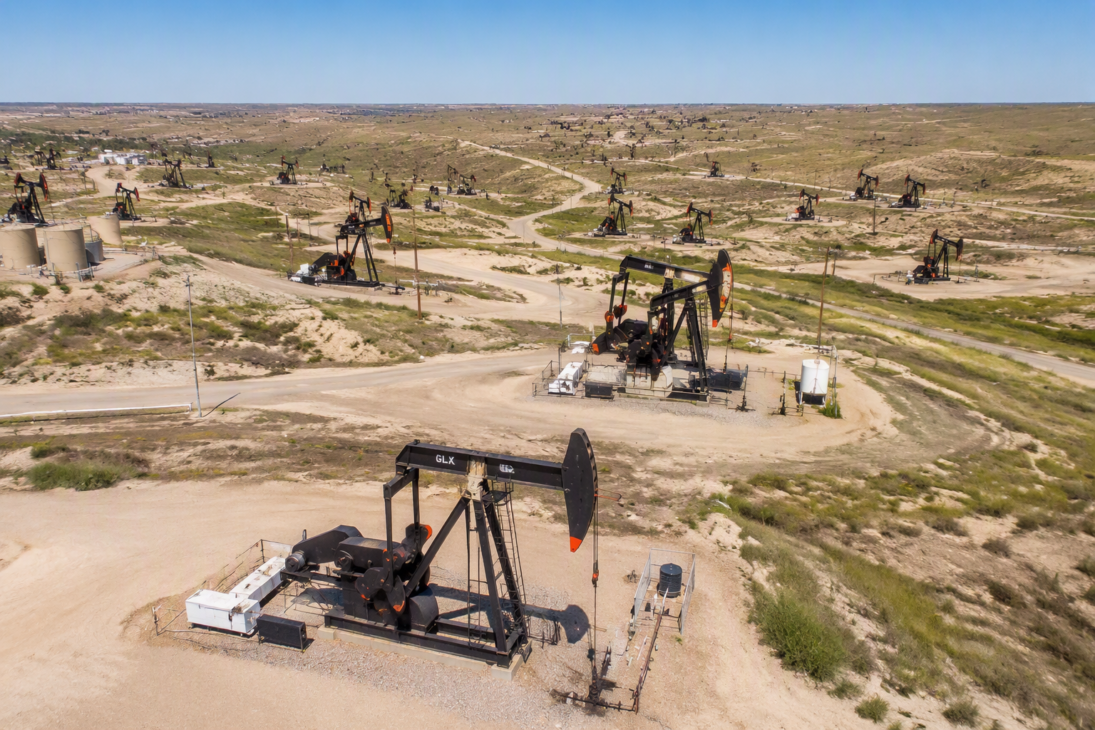
ConocoPhillips stands out as one of the largest independent exploration and production firms in the country. The company focuses heavily on extraction rather than trying to control every step of the supply chain. I appreciate how they strip away unnecessary complexity. Their lean business model delivers sharper margins during favorable price windows. You get specialized growth driven by premium shale assets across Texas and the Permian Basin.
Market data consistently tracks ConocoPhillips near the $163 billion valuation mark. Independent producers like this one excel when commodity prices climb steadily. They lack the refining networks that cushion bigger supermajors during downturns. You accept higher volatility in exchange for sharper profit margins during boom periods. The strategy works remarkably well for targeted investors.
4. Valero Energy
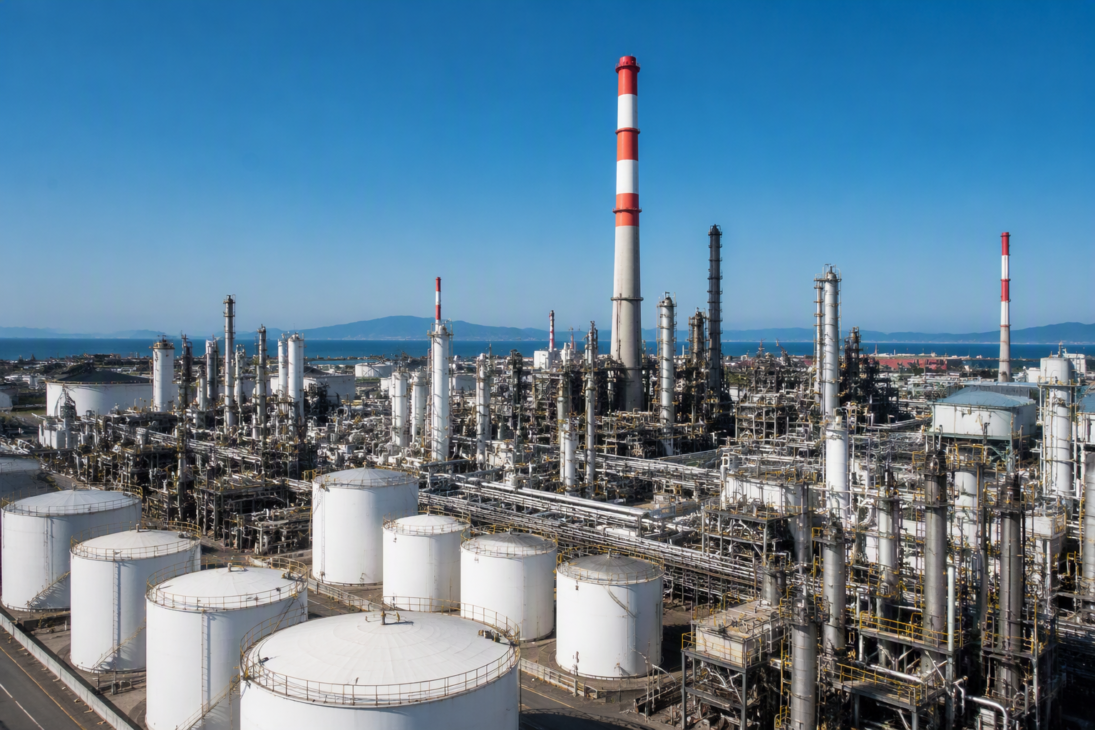
Valero Energy dominates the downstream refining sector with massive processing facilities across the South Central U.S. The company manufactures transportation fuels and essential petrochemical feedstocks. I have seen how their refinery network adapts quickly to shifting consumer demand. Operating around $92.9 billion in market value puts them firmly among America’s top energy players. You get reliable fuel output supported by highly optimized processing lines.
BestStartup.us regularly lists Valero among the leading U.S. energy operators by production scale. Refining margins tighten when crude supply chains break down or emissions standards shift overnight. You still benefit from consistent regional demand for gasoline and heating oil. The company maintains tight inventory controls that protect profitability during busy travel seasons. Operational discipline clearly drives their competitive edge.
5. Marathon Petroleum
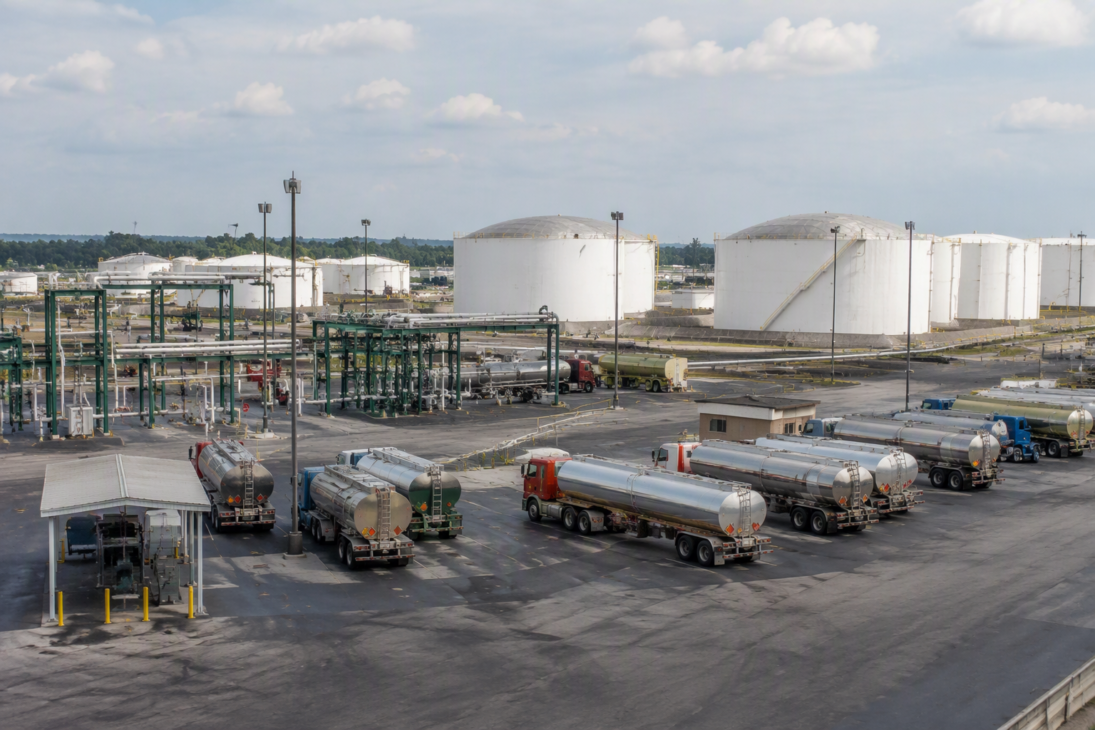
Marathon Petroleum rivals Valero in downstream dominance while expanding aggressively into midstream services. The organization handles extensive retail fuel marketing alongside sophisticated processing facilities. I find their Midwest operations particularly impressive because they sit near major agricultural corridors. Market valuations hover right around $92.4 billion. You get robust infrastructure backed by decades of accumulated logistical expertise.
AlphaSense confirms Marathon Petroleum as a core U.S.-listed energy heavyweight. Midstream expansion gives them better control over pipeline routing and terminal storage. Consumer travel patterns directly dictate quarterly fuel sales volume though. Regulatory pressure on refining emissions keeps compliance costs rising steadily. You weigh those operational hurdles against their massive geographic distribution network. The overall model rewards patience and careful timing.
6. Energy Transfer

Energy Transfer anchors the midstream sector by moving natural gas and fractionated NGLs across thousands of miles. The partnership operates critical transport pipelines that connect rural drilling pads to major urban centers. I have always respected how essential these networks are for daily grid stability. Analysts frequently highlight their role in sustaining U.S. export ecosystems. You get fee-based income streams that stay predictable regardless of spot market chaos.
Morningstar explicitly named Energy Transfer in their July 2026 energy stock recommendations. The partnership benefits from long-term transportation agreements that lock in steady cash flow. New pipeline routes frequently stall due to state-level permitting processes. Local community concerns occasionally delay route approvals entirely. You must factor those bureaucratic hurdles into your operational expectations. The broader industry still relies heavily on their physical networks.
7. MPLX
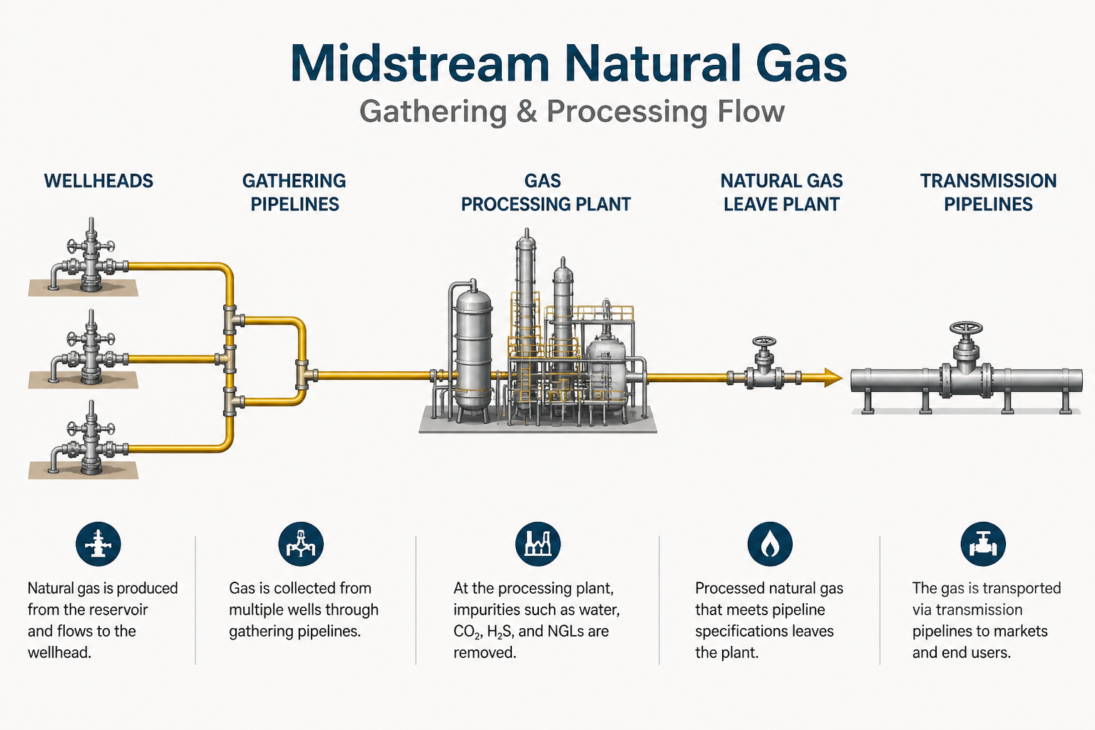
MPLX provides essential gathering, processing, and transport services for independent producers. The infrastructure-focused partnership keeps wells connected to major refining hubs. I notice how smoothly their operations adapt to shifting drilling locations. Financial analysts rate MPLX as a standout value play in the current market. You receive consistent cash flow derived from actual processing volumes rather than speculative commodity bets.
The July 2026 Morningstar report highlights MPLX specifically for its steady cash conversion rates. Pipeline partnerships thrive when independent drillers expand output in basins like the Bakken or Eagle Ford. Your returns track actual throughput volume instead of floating commodity indices. Lower global energy spikes naturally limit sudden revenue surges though. The tradeoff delivers exceptional predictability for income-focused portfolios. You gain comfort through structural simplicity.
8. EOG Resources
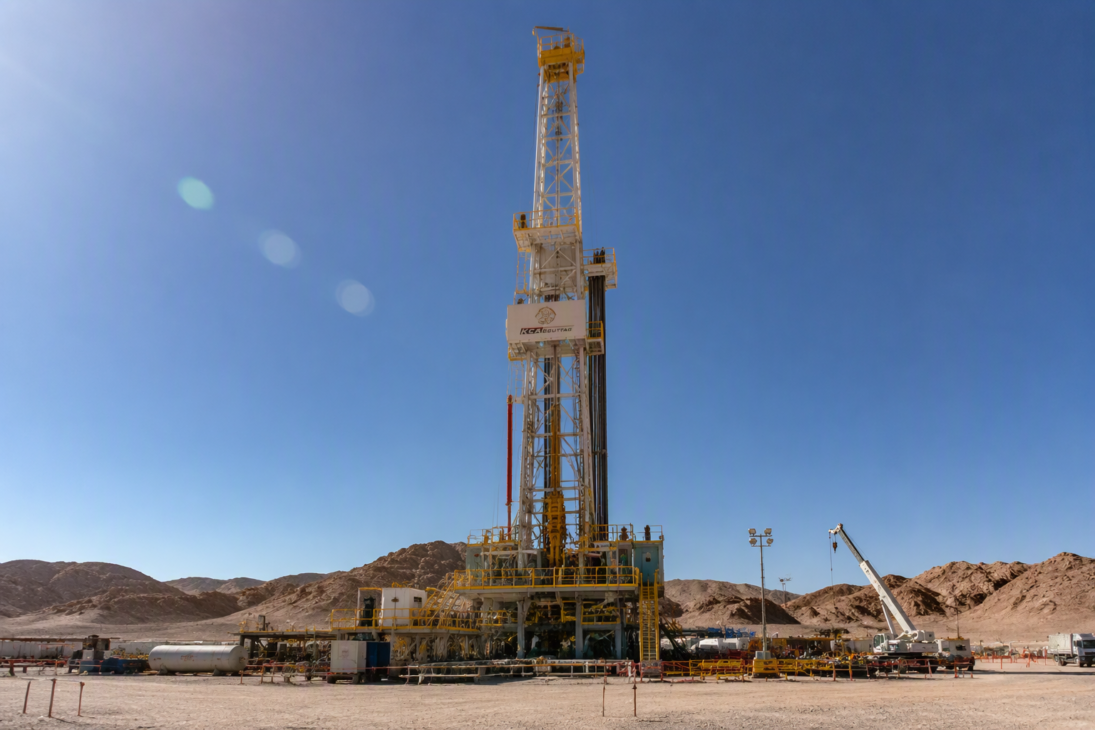
EOG Resources operates as a premier independent explorer focused exclusively on high-quality shale plays. The company maintains rigorous cost controls that keep breakeven prices comfortably low. I have tracked EOG since their early tight-oil days and the execution remains flawless. They rank consistently in top-tier 2026 lists thanks to pure production efficiency. You get industry-leading cost management paired with highly concentrated geographic footprints.
Wikipedia tracks EOG Resources firmly among the largest independent explorers by market capitalization. Their concentrated approach to premium acreage yields consistently high initial production rates. Sharp cost discipline protects margins even when crude drops below eighty dollars. Missing refining operations means earnings swing harder during prolonged market slumps. You trade diversification for superior capital efficiency. The model rewards operators who monitor basin economics closely.
9. Devon Energy
Devon Energy rounds out the top independent producers with a fiercely disciplined exploration strategy. The company specializes in high-margin shale basins while returning substantial capital to shareholders. I have followed Devon through multiple restructuring phases and admire their operational clarity. Morningstar recently flagged Devon for undervaluation alongside strong internal returns. You get transparent capital allocation paired with aggressive debt reduction initiatives.
Research from Morningstar explicitly places Devon among their four recommended energy purchases for the second half of 2026. The company strips away nonessential divisions to concentrate purely on profitable drilling. West Texas Intermediate price movements directly dictate short-term earnings visibility. Limited geographic diversification amplifies regional weather impacts on production schedules. You accept those cyclical realities in exchange for sharper yield profiles. The execution remains consistently sharp.
10. Williams Companies
Williams Companies operates as a midstream giant specializing in natural gas gathering and transmission. The organization connects prolific U.S. fields to both domestic consumption zones and liquefied natural gas export terminals. I see immense value in how vital this backbone infrastructure remains. Long-term service agreements provide predictable revenue streams that survive market turbulence. You get steady operational cadence supported by decades of engineering precision.
TIME highlights Williams among the most influential energy operators shaping industry direction today. Long-duration transportation contracts insulate cash flow from volatile spot pricing. Natural gas markets dictate long-term expansion timelines across the eastern seaboard. Evolving federal export policies occasionally complicate terminal construction schedules. You weigh those macroeconomic variables against their unparalleled logistical reach. The foundational nature of their assets guarantees continued relevance.
My Experience With 10 Reliable Energy Companies in the USA Worth Choosing
I spent several weekends mapping out exactly which firms actually power everyday operations versus which ones just chase headlines. Tracking these ten players taught me that scale rarely beats discipline. Small shifts in drilling costs or pipeline spacing decisions ripple through quarterly earnings instantly. I once misread a refiner margin report and almost bought into a declining operation. Learning to read throughput volume instead of headline production saved my portfolio. Energy infrastructure feels slow until a single winter storm triggers nationwide demand spikes. That moment reveals everything about which companies truly understand grid balancing. You want operators who maintain spare capacity without bloating overhead. My biggest lesson revolves around ignoring marketing budgets and focusing purely on capital efficiency. Which operational metric matters most to your own energy choices?
And the Winner Is
ExxonMobil claims the overall favorite spot for three clear reasons. Their integrated structure cushions market volatility through simultaneous upstream and downstream operations. Massive R&D budgets fund continuous efficiency improvements that smaller competitors cannot match. Regulatory navigation teams possess decades of experience optimizing complex compliance frameworks. Here is a quick breakdown of how they compare:
| Company | Primary Focus | Market Value Range | Key Strength | Main Weakness |
|---|---|---|---|---|
| ExxonMobil | Integrated Supermajor | $640–$712B | Global scale integration | Oil price sensitivity |
| Chevron | Integrated Supermajor | $392B | Balanced risk profile | High extraction costs |
| ConocoPhillips | Independent Explorer | $146–$163B | Lean production model | Volatility exposure |
| Valero Energy | Downstream Refining | $92.9B | Optimized processing | Margin compression |
| Marathon Petroleum | Refining Midstream | $92.4B | Retail network depth | Cyclical demand hits |
| Energy Transfer | Natural Gas Transport | Information insufficient | Fee-based stability | Permitting bottlenecks |
| MPLX | Midstream Processing | Information insufficient | Volume-driven cash flow | E&P dependency |
| EOG Resources | Shale Exploration | Information insufficient | Ultra-low breakevens | Geographic concentration |
| Devon Energy | High-Margin Drilling | Information insufficient | Shareholder returns | WTI correlation |
| Williams Companies | Gas Infrastructure | Information insufficient | Contract reliability | Policy uncertainty |
You get unmatched resilience when picking ExxonMobil as your primary reference point. Their balanced approach protects against single-sector shocks while maintaining aggressive growth trajectories. Other companies dominate niche roles beautifully, but integrated scale wins during broad economic transitions. You build portfolios using smaller specialists strategically while anchoring positions with proven supermajors. The foundation remains solid.
FAQ
Q: Are oil and gas companies still dominant in U.S. energy?
Yes. Current 2026 coverage says the energy sector remains dominated by oil and gas even as renewables grow. That is why integrated oil majors, producers, refiners, and midstream firms still make up most of the top U.S. energy-company lists. Traditional fossil fuels continue supplying baseline power requirements while solar and wind handle peak daytime loads. Grid operators rely on dispatchable natural gas plants during evening demand surges. You will see older refineries upgrading their catalyst systems rather than shutting down entirely. The industry adapts quietly instead of announcing radical departures.
Q: What criteria matter when comparing energy companies?
The main criteria are market capitalization, revenue scale, business segment, production or infrastructure footprint, and investment valuation. For company rankings, size matters most. Stock picks usually require analysts to focus on undervaluation, free cash flow, dividend stability, and balance-sheet strength. You cannot evaluate a pipeline operator using the same metrics as a shale driller. Transportation fees differ entirely from commodity extraction profits. Separating infrastructure owners from active extractors prevents direct comparisons. Clear segmentation protects against flawed purchasing decisions.
Q: Which U.S. energy companies are best for income investors?
Midstream companies often appeal to income investors because they operate pipeline and storage networks that can generate steady cash flow. In the 2026 sources, Energy Transfer and MPLX are highlighted by Morningstar. Williams Companies, Kinder Morgan, and Enterprise Products also appear in top U.S. energy rankings. These organizations collect fixed tolls for moving molecules rather than betting on spot prices. Predictable contracts allow reliable dividend distributions even during mild recessions. You secure regular payouts without tracking daily crude quotes. Steady income beats temporary windfalls for long-term wealth building.
Q: What is the difference between integrated and independent energy firms?
Integrated firms like ExxonMobil and Chevron operate across multiple parts of the energy value chain. They handle upstream production, downstream refining, chemical manufacturing, and retail distribution. Independents such as ConocoPhillips and EOG Resources focus more on exploration and production. This narrower scope makes independents more sensitive to commodity prices. It also allows them to trim administrative bloat effectively. You choose integration for defensive stability or independence for aggressive margin hunting. Neither approach guarantees guaranteed success without disciplined management.
Q: Why do Texas energy companies appear so often?
Many of the largest U.S. energy companies are headquartered in Texas. Houston serves as the traditional capital for drilling operations and petrochemical trading. That concentration reflects the state long role in oil, gas, refining, petrochemicals, and pipeline infrastructure. Favorable tax structures attract headquarters relocation for decades. Proximity to deepwater Gulf platforms simplifies logistics coordination. You will find corporate training programs deeply intertwined with local university engineering departments. The geographic cluster accelerates innovation through daily face-to-face networking. Isolated markets struggle to replicate that density.
Q: Can smaller energy companies still matter in 2026?
Yes. Discovery platforms such as F6S show thousands of U.S. energy companies beyond the megacaps. Startups and LNG developers fill crucial gaps in niche technologies. Smaller companies can matter a great deal in niche areas like advanced gas export modules, microgrid power technology, and modular energy infrastructure. They test unconventional extraction methods that larger firms eventually acquire. Venture funding flows freely toward experimental cooling solutions and carbon capture prototypes. You gain exposure to rapid technological evolution by monitoring emerging directories. Megacaps manage the present while startups invent tomorrow.
Q: Where can I find a current ranking of U.S. energy companies?
Current rankings appear in 2026 lists from TIME, Morningstar, Disfold, AlphaSense, and The Motley Fool. The best source depends on what you want. Market cap tables provide direct size comparisons. Stock idea columns offer undervaluation screening. Broader industry coverage reveals political influence and infrastructure reach. You match your reading material to your actual objective. Mixing academic financial databases with trade publication newsletters creates complete picture. Blindly trusting single sources invites blind spots. Cross-referencing eliminates obvious bias effectively.
Conclusion
Picking reliable energy partners requires looking past flashy press releases. Real performance shows up in quarterly cash conversion and infrastructure longevity. You get steadier results by targeting companies with diversified segments rather than pure-play speculation. Track throughput volumes, contract durations, and balance sheet durability. Skip the noise. The foundations laid by these ten operators sustain daily life across every American zip code. Stay grounded, monitor real output data, and ignore the hype. Solid choices compound silently over decades.
References
- TIME. (2026, April 29). The 10 Most Influential Energy Companies of 2026. Time Magazine. https://time.com/article/2026/04/29/time100-companies-energy/
- Morningstar. (2026, July 22). The Best Energy Stocks to Buy. Morningstar Research. https://www.morningstar.com/stocks/best-energy-stocks-buy
- Wikipedia. (2026, March 28). List of largest energy companies. Wikimedia Foundation. https://en.wikipedia.org/wiki/List_of_largest_energy_companies
- Disfold. (2026). Top 310 largest US Energy Companies 2026. Disfold Analytics. https://disfold.com/united-states/sector/energy/companies/
- F6S. (2026, August). 100 Top Energy Companies in United States. F6S Directory. https://www.f6s.com/companies/energy/united-states/co

jessy
Jessy Grace has spent over 5 years researching and writing about household energy, covering everything from gas and electricity tariffs to appliance efficiency and smart meter technology. With a background in [energy consulting / utilities journalism / consumer finance], [he/she/they] specializes in breaking down complex tariff structures, regulatory changes, and cost-saving strategies into practical advice homeowners can actually use. [Author Name]'s work draws on data from official regulators, utility providers, and independent consumer bodies to ensure every guide is accurate and up to date. When not writing, [he/she/they] tests energy-saving products firsthand and stays close to industry shifts, from renewable tariffs to price cap changes, to keep readers ahead of the curve.