

Texture painting adds real depth and feeling to your work. Thick paint, tools, and simple materials turn a flat surface into something you want to touch. These twelve ideas are cute, inspiring, and loved by many artists and beginners. They focus on soft effects, natural looks, and playful techniques that make every piece feel special.
Quick answer: The most inspiring texture painting ideas include soft impasto flowers, dry-brush landscapes, palette-knife color blocks, sand-mixed surfaces, sponge clouds, plastic-wrap waves, and gentle sgraffito details. Mix heavy paint or paste with simple tools to create raised, touchable surfaces that feel personal and full of life.
You can use acrylics, modeling paste, household items, and a few basic tools. Most of these techniques work on canvas or board and look beautiful in soft, loved color palettes. Choose one that sparks joy and start small — texture painting is forgiving and fun.
Idea Overview Table
| Idea | Main Technique | Best For | Vibe |
|---|---|---|---|
| Soft Impasto Flowers | Thick palette knife | Florals | Romantic |
| Dry-Brush Landscapes | Almost-dry brush | Nature scenes | Gentle |
| Palette-Knife Color Blocks | Flat knife strokes | Abstract | Modern soft |
| Sand-Mixed Surface | Sand + paint | Earth textures | Natural |
| Sponge Clouds | Dabbing sponge | Skies | Airy |
| Plastic-Wrap Waves | Press & peel | Water effects | Dreamy |
| Sgraffito Details | Scratch into wet | Lines & patterns | Playful |
| Modeling Paste Shapes | Raised paste | 3D elements | Sculptural |
| Crackle Soft Edges | Crackle medium | Vintage feel | Whimsical |
| Leaf & Shell Imprints | Press natural items | Organic | Cute nature |
| Layered Glaze Texture | Thin over thick | Depth | Luminous |
| Stipple Soft Fields | Stiff brush dots | Fields & trees | Cozy |
1. Soft Impasto Flowers
Load a palette knife with thick acrylic or paint mixed with modeling paste. Press and drag to form raised petals that catch the light. Soft pinks, creams, and whites look especially cute and romantic.
Build the petals in layers so they feel full and dimensional. Leave some edges slightly uneven for a natural, handmade look. This technique is loved because the flowers almost seem to lift off the canvas.

Tip: Work wet into wet for soft blends or let layers dry for sharper petals.
2. Dry-Brush Landscapes
Load a stiff brush with very little paint, then drag it lightly across a dry surface. The brush catches only the high points and creates soft, whispery texture perfect for distant hills, grass, or clouds.
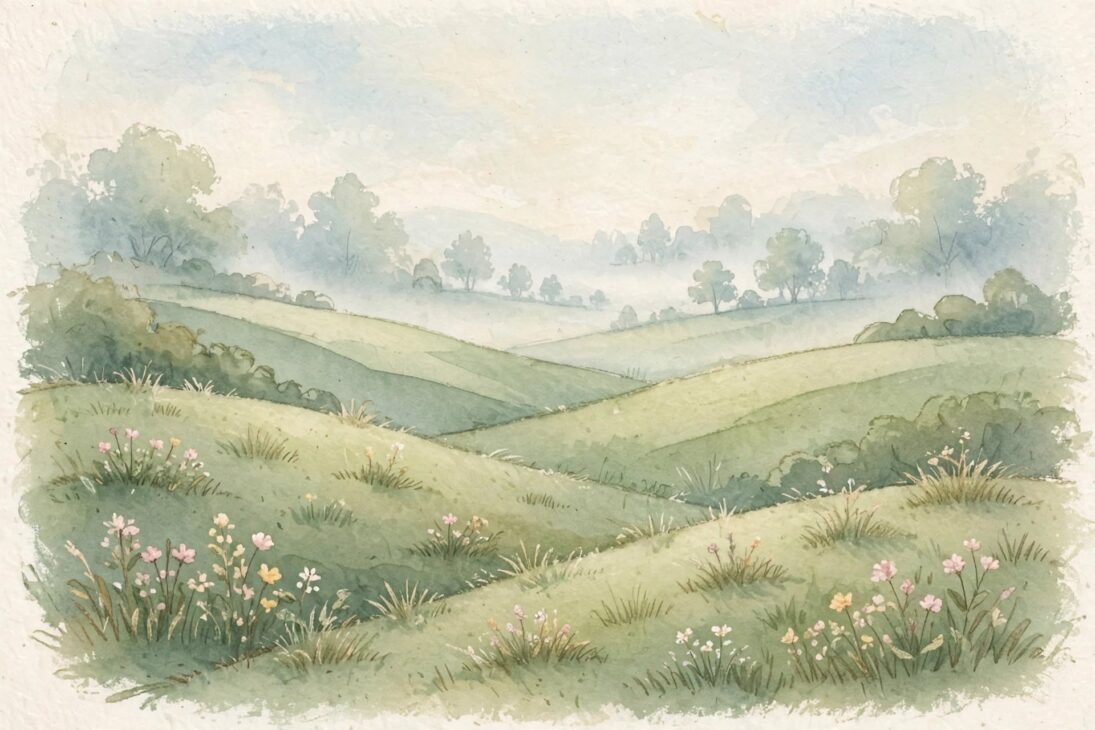
Soft greens, blues, and earth tones make the effect gentle and inspiring. This method adds depth without heavy buildup and works beautifully for calm nature scenes.
It is one of the most useful and forgiving texture techniques for beginners.
3. Palette-Knife Color Blocks
Use a flat palette knife to lay down thick blocks of color side by side. The raised edges create soft geometric texture that still feels warm and inviting.
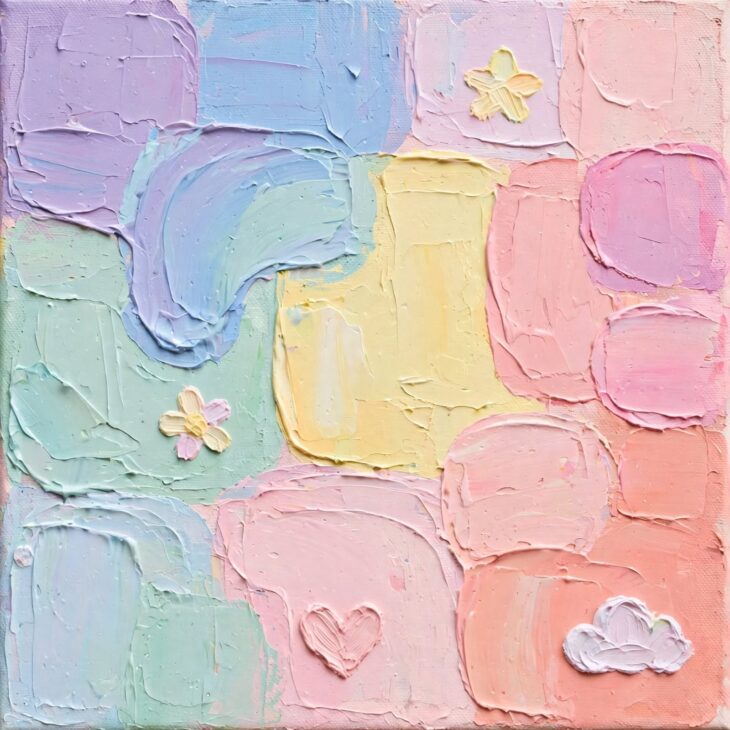
Pastel or soft muted colors keep the look cute rather than harsh. Overlap the blocks slightly for a gentle, layered effect that many people find inspiring.
This style works well for modern yet soft abstract pieces.
4. Sand-Mixed Surface
Mix fine sand into acrylic paint or modeling paste. Spread the mixture for a natural, gritty texture that feels earthy and real.

Soft beach or desert colors look especially lovely. Seal the surface once dry so the sand stays in place. The result feels grounded and tactile.
This technique is perfect for coastal or nature-inspired pieces that people love to touch.
5. Sponge Clouds
Dab a natural or synthetic sponge into soft paint and gently press it onto the surface. The irregular marks create fluffy, airy cloud texture that feels light and sweet.
White, soft gray, and pale pink or blue make the clouds look dreamy. Build layers for more dimension without heavy paste.
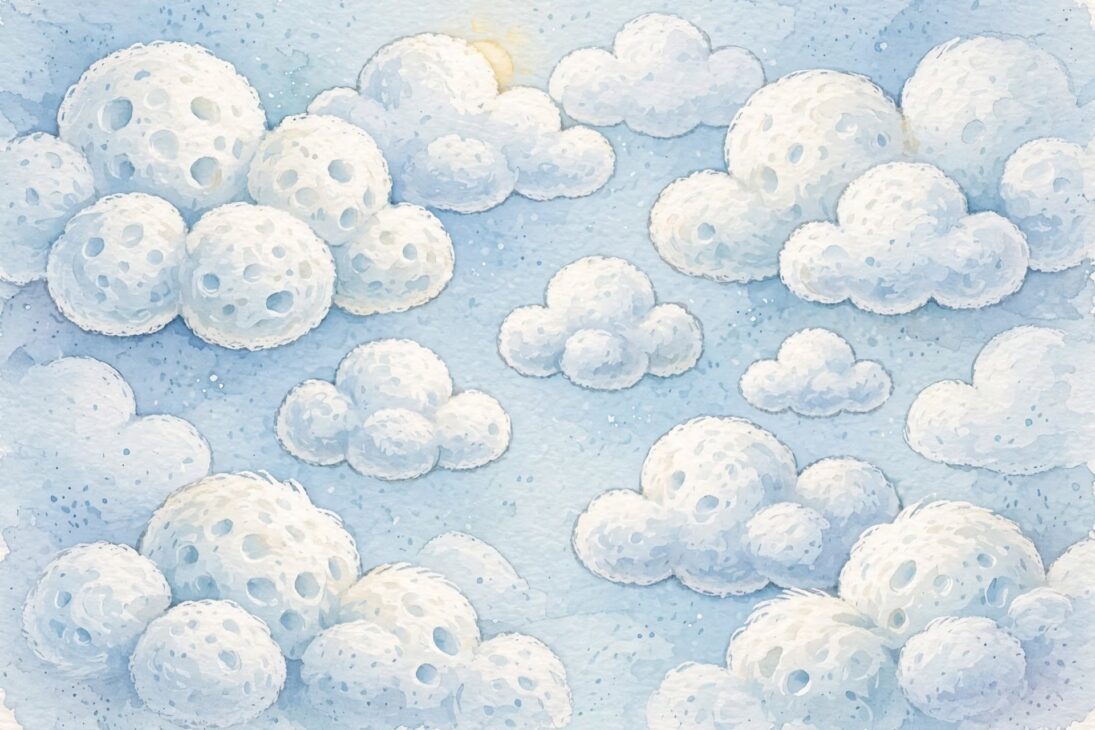
This is a favorite for sky scenes and gentle abstract backgrounds.
6. Plastic-Wrap Waves
Apply a layer of thick paint or paste, then press plastic wrap onto the wet surface and gently lift it. The wrinkled pattern creates soft, organic wave texture.
Soft blues, greens, and whites look especially inspiring. The effect feels fluid and natural with almost no effort.
Many people love this technique for ocean-inspired or abstract water pieces.
7. Sgraffito Details
Scratch lines, patterns, or simple shapes into wet paint with the back of a brush, a stick, or a palette knife edge. The revealed under-layer creates soft linear texture.
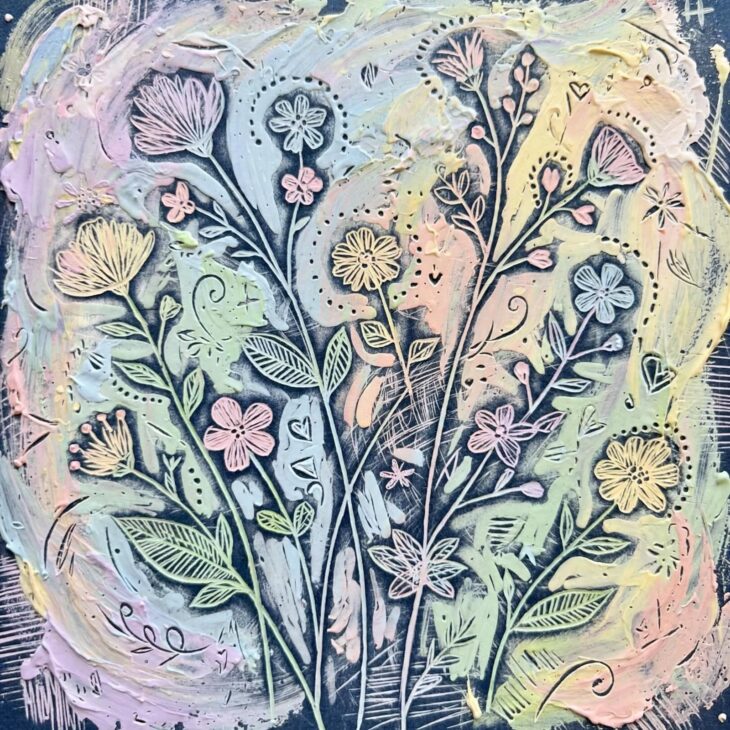
Use this for gentle stems, soft patterns, or playful marks inside larger shapes. Soft color combinations keep the effect cute and light.
Sgraffito adds personality without heavy buildup and is very satisfying to do.
8. Modeling Paste Shapes
Apply modeling paste with a knife or piping bag to create raised shapes — petals, arches, dots, or free forms. Let it dry, then paint over or around the texture.
Soft pastel or neutral colors make the raised areas feel gentle and inviting. This bridges painting and sculpture in a very lovable way.
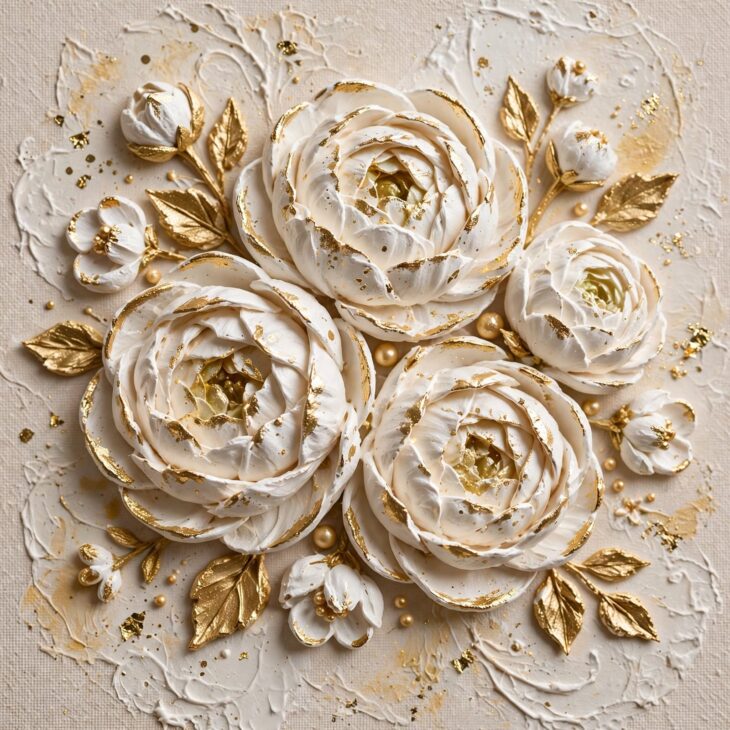
It is one of the most popular ways to add real dimension to acrylic work.
9. Crackle Soft Edges
Use a crackle medium between layers of paint for fine, soft cracks that feel vintage and whimsical. The effect is delicate rather than dramatic when you keep colors gentle.
Cream over soft pink or pale blue over white creates a sweet aged look. Seal the finished piece to protect the surface.
This technique adds quiet character that many people find inspiring.
10. Leaf and Shell Imprints
Press real leaves, shells, or other natural items into wet paint or paste, then lift them carefully. The imprint leaves a soft organic texture that feels connected to nature.
Soft greens, creams, and peach tones look especially cute. This method is simple and produces unique results every time.
It is perfect for nature lovers and makes each piece feel personal.
11. Layered Glaze Texture
Build thick texture first, let it dry, then brush thin transparent glazes over the raised areas. The glaze pools in the low spots and highlights the high ones, creating soft luminous depth.
Soft color combinations keep the effect gentle and dreamy. This method makes texture feel rich without looking heavy.
Many artists love the glowing, layered look it produces.
12. Stipple Soft Fields
Use a stiff brush to dab small dots of paint across the surface. The repeated marks create a soft, grassy or textured field effect that feels cozy and inviting.
Soft greens, golds, and muted tones work beautifully. Build the density gradually for natural variation.
This technique is perfect for gentle landscape accents and adds quiet life to any piece.
Tips for Beautiful Texture Painting
Start with a solid base color so the texture has something to sit on. Mix heavy-body acrylics with a little modeling paste when you want stronger raised areas. Always let thick layers dry fully before adding more paint or glaze.
Keep your color palette soft and limited for the cutest results. Test techniques on scrap paper first. Seal finished work with a clear matte or satin varnish to protect the surface and enhance the texture.
FAQ
What is the easiest texture painting technique for beginners?
Dry brushing and sponge dabbing are the simplest. Both need almost no extra materials and create soft, forgiving texture right away.
Can I use regular acrylic paint for texture?
Yes. Heavy-body acrylics work best. You can also mix regular acrylics with modeling paste or gel medium to thicken them for raised effects.
How do I keep texture from cracking?
Apply thick layers in stages and let each one dry fully. Avoid very thick single applications. A flexible medium mixed into the paint also helps prevent cracks.
What tools work best for texture painting?
Palette knives, stiff brushes, sponges, plastic wrap, and even household items like forks or combs all create useful textures. Start with a knife and a sponge.
Should I seal textured paintings?
Yes. A clear acrylic varnish protects the surface, locks in any loose texture, and can add a soft sheen that makes the raised areas look even richer.
Conclusion
Texture painting turns ordinary surfaces into pieces full of depth and quiet beauty. The twelve ideas above focus on soft, inspiring techniques that many people love — from raised impasto flowers to gentle dry-brush landscapes and playful plastic-wrap waves. Each method is approachable and open to your own color choices and style.
Start with one simple technique like sponging or dry brushing. Build confidence, then combine methods for richer results. Keep your palette soft and your tools simple. The process is calming and the finished pieces feel personal and full of life. Pick the idea that makes you want to pick up a knife or brush today and enjoy creating texture that invites a closer look.
References
- Craft and Canvas. “How to create texture in acrylic painting: six methods explained.” 2026. https://craftandcanvas.co.uk/blogs/thoughts-of-a-art-and-yarn-shop-owner/how-to-create-texture-in-acrylic-painting-six-methods-explained
- Nova Color. “7 Acrylic Painting with Texture Tips.” 2025. https://novacolorpaint.com/blogs/nova-color/acrylic-painting-with-texture-7-tips-amp-tricks-to-make-your-art-pop
- Mont Marte. “12 acrylic paint texture ideas.” 2022. https://www.montmarte.com/blogs/inspo/12-acrylic-paint-texture-ideas
- Officeworks. “How to Make Textured Art That’s Truly Unique.” 2026. https://www.officeworks.com.au/noteworthy/post/create-how-to-make-textured-art
- Visual Arts Passage. “Mastering Painting Texture: 10 Techniques Every Artist Should Try.” 2025. https://visualartspassage.com/blog/painting-texture/
- Garden and Crafty. “17 Textured Art Painting Ideas to Inspire Your Creativity.” 2025. https://gardenandcrafty.com/textured-art-painting-ideas

jessy
Jessy Grace has spent over 5 years researching and writing about household energy, covering everything from gas and electricity tariffs to appliance efficiency and smart meter technology. With a background in [energy consulting / utilities journalism / consumer finance], [he/she/they] specializes in breaking down complex tariff structures, regulatory changes, and cost-saving strategies into practical advice homeowners can actually use. [Author Name]'s work draws on data from official regulators, utility providers, and independent consumer bodies to ensure every guide is accurate and up to date. When not writing, [he/she/they] tests energy-saving products firsthand and stays close to industry shifts, from renewable tariffs to price cap changes, to keep readers ahead of the curve.