

Quick answer: Cummins was founded in 1919 in Columbus, Indiana, by mechanic Clessie Cummins and banker William Irwin. It struggled for its first decade, then became the biggest name in American diesel trucking after the 5.9L B-series engine landed in the Dodge Ram in 1989. Today Cummins builds everything from pickup truck diesels to hydrogen engines, and it’s still headquartered in the same small Indiana town where it started.
Cummins is one of those names people say without thinking twice about where it came from. It shows up on pickup trucks, freight trains, generators, and now hydrogen-powered semis. But the company almost didn’t survive its first ten years. Here’s the real story, along with the facts and engine numbers that actually matter if you care about diesel history.
| Fact | Detail |
| Founded | February 3, 1919 |
| Founders | Clessie Cummins & William Irwin |
| Headquarters | Columbus, Indiana (still today) |
| First reliable engine | Model H, 1933 |
| Entered Dodge Ram trucks | 1989 (5.9L 12-valve) |
| 2024 revenue | $34.1 billion |
| Countries served | Around 190 |
| Engine | Years | What Changed |
| 5.9L 12-Valve (B series) | 1989-1998 | First Cummins in a Dodge Ram, fully mechanical, no computer at all |
| 5.9L 24-Valve (ISB) | 1998.5-2002 | Four valves per cylinder, electronic VP44 injection pump |
| 5.9L Common Rail | 2003-2007 | Bosch CP3 high-pressure pump, quieter, better emissions |
| 6.7L Cummins Turbo Diesel | 2007-present | Bigger displacement, diesel particulate filter, still in Ram HD trucks |
| X15 | 2017-present | Flagship heavy-duty engine, now offered in diesel, natural gas, and hydrogen versions |
Horsepower climb: Cummins pickup truck diesel, by generation
12-Valve
160-215 hp
24-Valve
235-245 hp
Common Rail
305-325 hp
6.7L Early
350 hp
6.7L Today
420 hp
Who actually founded Cummins?
Cummins was founded by Clessie Cummins, a mechanic with no schooling past the eighth grade, and William Irwin, the Indiana banker who employed him. Clessie had been Irwin’s chauffeur since 1908. He was fixing cars and tinkering with engines on the side the whole time. In 1919, Irwin put up the money, and the two of them started Cummins Engine Company in Columbus, Indiana. Clessie built the first engine as a licensee of a Dutch company called R.M. Hvid. It made just 6 horsepower and was meant for farms, not trucks.
Clessie wasn’t a trained engineer. He was a farm kid who built his first steam engine at age 11, out of scrap iron poured into wooden molds. That hands-on, trial-and-error style stuck with him his whole career. Over 56 years he racked up 33 U.S. patents, mostly for fuel injection systems that made diesel engines actually practical to use.
Did Cummins almost go out of business?
Yes, twice in its first decade Cummins came close to folding. The Sears contract that was supposed to launch the company fell apart in 1922 after Sears called the engines defective and canceled the order. Clessie had to start over. Then, around 1929, Irwin’s bank threatened to pull its funding entirely because the company still wasn’t turning a real profit. So Clessie did something bold. He installed one of his diesel engines in a passenger car and drove it straight to his banker as proof the technology worked. It bought the company more time, and more importantly, it worked. Diesel cars and trucks weren’t common yet, so seeing one run smoothly was a hard thing to argue with.
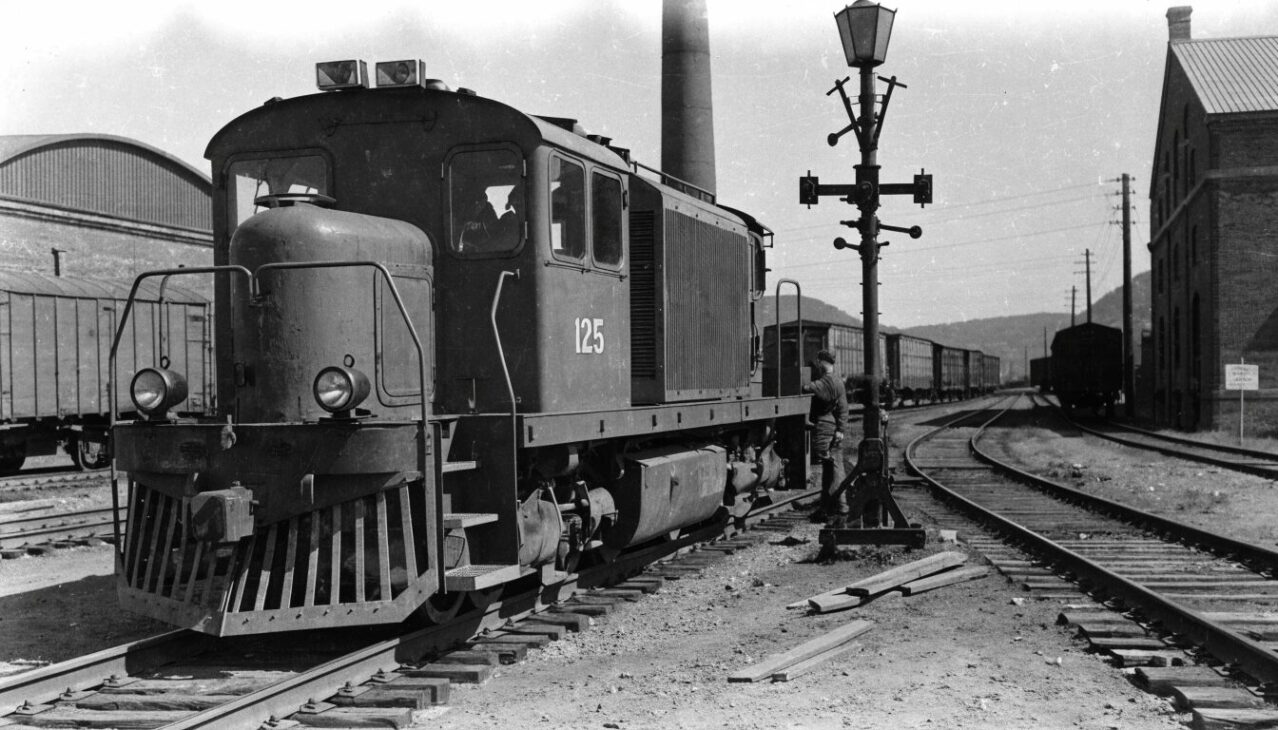
The real turning point didn’t come until 1933, when the Model H engine proved itself in small railroad switcher locomotives. That was 14 years after the company started. Diesel engines only really caught on commercially once Cummins could show, again and again, that they were reliable, not just fuel-efficient.
What made the 5.9L 12-valve Cummins so famous?
The 5.9L 12-valve, built from 1989 to 1998, is famous because it’s almost entirely mechanical and nearly impossible to kill. It was originally designed with Case Corporation for medium-duty trucks, then Dodge dropped it into the Ram pickup in 1989. That single decision launched the modern light-duty diesel truck market. No computer runs the fuel system on a 12-valve. The alternator is a simple one-wire, self-exciting setup, and once the engine is started, it can technically keep running without any electrical system at all.
That simplicity is exactly why it has such a cult following today. Owners regularly push these engines past 500,000 miles, and plenty go past a million. There’s a well-known weak point, though. A small dowel pin near the front of the block can work loose over time and drop into the timing gear case. Mechanics call it the “killer dowel pin,” and it’s the one thing that can take down an otherwise bulletproof engine.
How is the 24-valve different from the 12-valve?
The 24-valve Cummins, built from mid-1998 to 2002, swapped the old two-valve-per-cylinder head for a four-valve head and replaced the mechanical injection pump with an electronic one called the VP44. That’s 24 valves total across six cylinders instead of 12. More valves meant better airflow, and the electronic pump meant more precise fuel delivery. Power jumped too, from around 215 horsepower on the last 12-valves to 235 horsepower right out of the gate, with 460 lb-ft of torque.
It wasn’t a clean win, though. The VP44 pump earned a rough reputation because it relies heavily on steady fuel pressure, and Dodge’s factory lift pumps often couldn’t keep up. Weak fuel pressure would slowly wear out the VP44 from the inside. Some engine blocks from this era also had a casting flaw, stamped with the number 53, that made them prone to cracking. Owners today still check for that number before buying a used 24-valve truck.
What’s the difference between the 5.9L and the 6.7L Cummins?
The 6.7L replaced the 5.9L in 2007 mainly to meet tougher federal emissions rules, not because the 5.9L was a bad engine. The extra 0.8 liters of displacement helped offset power lost to new emissions gear like the diesel particulate filter. Early 6.7L engines made around 350 horsepower, and today’s version is up near 420 horsepower with over 1,000 lb-ft of torque in some Ram HD trims. The 6.7L is still the last engine built on the original B-series architecture that started back with the 1989 12-valve, just heavily updated.
What is the Cummins X15 and why does it matter?
The X15 is Cummins’ flagship heavy-duty engine, the one that powers semi trucks, construction equipment, and farm machinery around the world. It puts out up to 605 horsepower and 2,050 lb-ft of torque in its latest diesel form. What makes it stand out now is that it’s no longer just a diesel engine. Cummins built it on a “fuel-agnostic” platform, meaning the same basic engine block can be configured to run on diesel, natural gas, or hydrogen, with only the parts above the head gasket changing between versions.
The hydrogen version, called the X15H, burns pure hydrogen instead of diesel and gives off only water vapor from the tailpipe. It’s already running in real test trucks with over 800 kilometers of range and refueling times under 15 minutes, and Cummins expects full production by 2027. For a company that started with a 6-horsepower farm engine in 1919, building an engine that runs on hydrogen and slots into the same truck bays mechanics already know is a pretty big leap.
How big is Cummins today?
Cummins pulled in $34.1 billion in revenue in 2024 and employs around 69,600 people worldwide. It sells in roughly 190 countries through more than 600 company-owned and independent distributors, plus about 7,200 dealers. That’s a long way from a single 6-horsepower engine built under license in a small Indiana workshop. And the headquarters never moved. Cummins is still based in Columbus, Indiana, the same town where Clessie Cummins grew up and built his first steam engine as a kid.
Frequently Asked Questions
Why do people call it a “Cummins” instead of a Dodge engine?
Cummins is a separate company from Dodge and Ram. It builds the diesel engine, and Dodge (now Ram) buys it and installs it in the truck. That’s why owners say “Cummins” instead of “Dodge diesel,” it’s genuinely a different manufacturer’s engine under the hood.
What was Cummins’ first engine used for?
The very first Cummins engine, built in 1919 under license from R.M. Hvid, was a 6-horsepower engine meant for farm use, not trucks or cars. Cummins didn’t move into trucks and cars until the 1930s.
Is Clessie Cummins still connected to the company?
No, Clessie Cummins retired from the company in 1955 and later started his own separate venture, Cummins Enterprises, to keep working on his own designs. He passed away in 1968, but the company that carries his name is still headquartered in his hometown.
Does Cummins still make diesel-only engines?
Yes, diesel is still Cummins’ biggest business by far, including the 6.7L in Ram pickups and the X15 in semi trucks. Alongside that, the company is now building natural gas, hydrogen, and battery-electric versions of its engines for customers who need lower emissions.
References
- Wikipedia. (2026). Clessie Cummins.
- Wikipedia. (2026). Cummins.
- Cummins Inc. (2024). Cummins: A global power leader.
- Automotive Hall of Fame. (n.d.). Clessie L. Cummins.
- Diesel Power Source. (2026). 12 valve Cummins (1989-1998): The legend, the specs, the build path.
- DrivingLine. (2019). Cummins history, lesson 3: ‘98.5-’02 5.9L.
- Equipment World. (2026). Cummins launches next-gen X15 off-highway engine.
- Autonocion. (2026). Tesla Semi just started shipping. Cummins’ hydrogen engine won’t arrive until 2027.

jessy
Jessy Grace has spent over 5 years researching and writing about household energy, covering everything from gas and electricity tariffs to appliance efficiency and smart meter technology. With a background in [energy consulting / utilities journalism / consumer finance], [he/she/they] specializes in breaking down complex tariff structures, regulatory changes, and cost-saving strategies into practical advice homeowners can actually use. [Author Name]'s work draws on data from official regulators, utility providers, and independent consumer bodies to ensure every guide is accurate and up to date. When not writing, [he/she/they] tests energy-saving products firsthand and stays close to industry shifts, from renewable tariffs to price cap changes, to keep readers ahead of the curve.