


What makes a truly great electricity provider stand out from every other power company you keep scrolling past? Your summer AC bill spikes, yet winter heating costs stay flat. Finding the right electricity provider means checking local deregulation rules, tracking your monthly usage, and reading contract terms before signing. Most households waste money on hidden fees because they focus only on advertised cents-per-kWh deals. We break down how to compare green energy plans, spot bait-and-switch tactics, and lock in steady rates that actually fit your lifestyle. Let’s get you set up with a cleaner, simpler approach to saving on your next utility payment.
Quick Questions and Answers
Question: How do I choose an electricity provider? Answer: Start by confirming whether your area allows retail electricity choice and whether the provider is licensed to serve your location. Then compare the total cost of each plan using your own usage history, not just the advertised cents-per-kWh rate. Also review contract length, early-termination fees, customer service reputation, and any renewable-energy options.
Question: What is the cheapest electricity provider? Answer: There is no single cheapest provider for everyone because the best offer depends on your usage, location, and plan terms. A low headline rate can be offset by monthly fees, minimum-usage charges, or penalties that make the final bill higher. The most reliable comparison method is to calculate annual cost using your own kWh usage.
Question: Should I choose a fixed or variable electricity rate? Answer: Fixed-rate plans keep the energy price stable during the contract, which helps with budgeting and protects against market spikes. Variable-rate plans can move up or down with market conditions, so they can be riskier for households that want predictable bills. The better choice depends on whether you value stability or flexibility.
Key Takeaways
- Always verify your state and zip code allow competitive retail electricity markets.
- Calculate your true annual cost instead of chasing the lowest headline rate.
- Read the Electricity Facts Label to uncover monthly fees and termination clauses.
- Fixed rates protect your budget, while variable rates track real-time market shifts.
- Pick established suppliers with clear customer support channels and transparent complaint records.
Electricity Provider Selection: Understanding the Basics
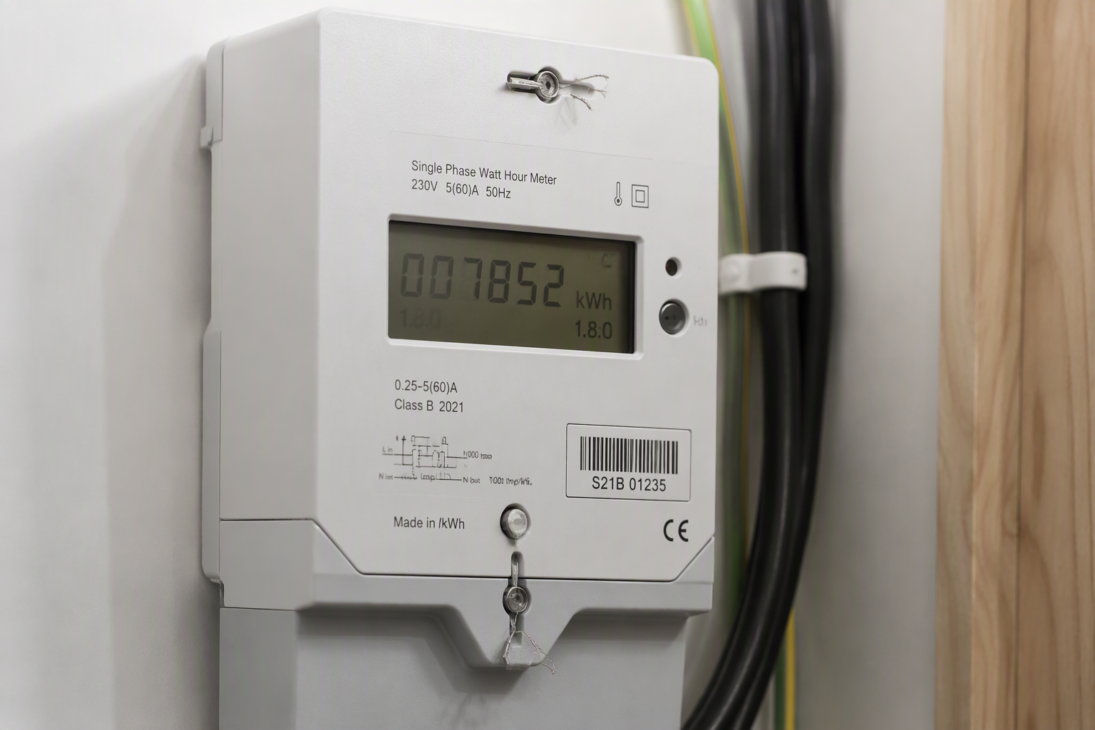
Shopping for power sounds like picking a car, but the rules change completely once you cross state lines. You cannot just walk into any store and buy supplies if your neighborhood follows a regulated monopoly model. Your local utility still owns the poles, the meters, and the grid infrastructure regardless of where you buy your electrons. Competitive retail choice only unlocks when state regulators open the market. You must check your specific zip code first. If the door stays closed, you deal directly with your native service district.
Once you confirm your area allows supplier competition, licensing becomes your first filter. Every company needs state approval to operate legally. You should always verify that a supplier serves your exact state before reviewing any promotional material. This step stops you from wasting time on companies that simply do not deliver power to your street. Many aggregators pull data from outdated databases or show offers that expired months ago. Local verification keeps your search grounded in reality.
State governments sometimes build official comparison tools to cut through the marketing noise. Texas residents use Power To Choose to view competing retail electric provider plans side by side. Pennsylvania consumers rely on PAPowerSwitch.com to access verified regional quotes. Ohio households navigate EnergyChoiceOhio.com to filter offers by term length and delivery districts. These portals remove guesswork by syncing directly with public utility commission databases. They update pricing daily and flag expired promotions automatically.
Some national platforms also work well for quick scans. Enter your zip code into comparison dashboards to generate a localized list of available deals. These sites group offers by price tier and label renewable percentages clearly. You still need to read the fine print, but having a master list saves hours of scrolling. The goal is building a shortlist before you ever click submit.
| Market Type | Who Owns the Grid | Who Sets the Price | Best Comparison Tool |
|---|---|---|---|
| Regulated Monopoly | Local Utility | State Public Utility Commission | Direct billing department |
| Deregulated Retail Choice | Local Utility | Competing Supplier | State portal or platform |
| Semi-Deregulated Hybrid | Local Utility | Split between utility & supplier | Regional exchange dashboard |
Most beginners skip the map check and jump straight to ads. That mistake costs money every month. You want a supplier that physically routes power through your existing wires without interruption. Regulatory status dictates that boundary. Once you pass that gate, you move into actual plan comparison.
Identifying a competitive market usually leaves subtle clues on your paperwork. Bills separate generation charges from delivery charges. Delivery covers the wires, meters, and emergency crew dispatches. Generation covers the actual electron production. If your invoice splits those line items clearly, retail competition likely exists in your zone. Regulated monopolies bundle everything into one flat generation-distribution combo. Spotting the split tells you immediately whether shopping makes sense.
Retail competition started gaining traction nationwide in the late nineteen nineties. Policymakers wanted lower prices through market forces. They unbundled generation services so private companies could bid against each other. Utilities kept ownership of physical infrastructure to guarantee universal service standards. That division created a modern landscape where consumers hold the purchasing power. You vote with your wallet every time a contract expires.
Analyzing True Costs and Usage Patterns
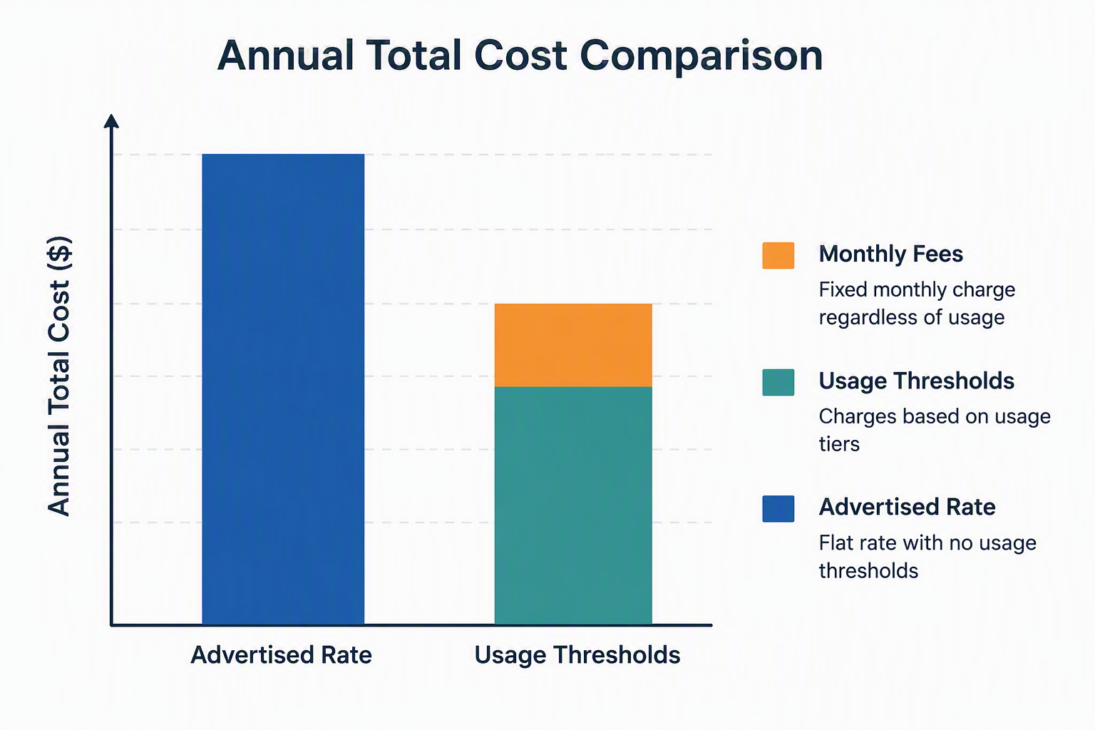
Advertisements love to scream about zero-dollar signup bonuses and three-cent rates. Those hooks grab attention, but they rarely tell the whole story. Your actual monthly statement depends on three moving parts: base rate, volume used, and hidden structural charges. ComparePower recommends analyzing twelve months of historical usage data to calculate your true annual bill before signing anything. A single snapshot of last month’s usage lies constantly. Summer AC runs hard. Winter space heaters drain the meter. One month never represents your yearly average.
Pull your current utility bill and find the supply charge line item. That number carries a specific name depending on your region, often labeled Price to Compare or Energy Rate. It shows exactly what your native utility charges for generation services right now. Treat that figure as your baseline. Any new supplier quoting below that number looks attractive until you factor in their monthly administration fee or minimum usage threshold. Those structural traps flip the savings upside down quickly.
Consider a simple scenario. Two plans advertise twenty-one cents and twenty-three cents per kilowatt hour. Plan A charges fifteen dollars monthly. Plan B charges three dollars monthly. Your house consumes nine hundred kilowatt hours each month. Plan A totals fifty-four dollars plus fifteen dollars, which equals sixty-nine dollars. Plan B totals two hundred seven dollars plus three dollars, which lands at two hundred ten dollars. The cheaper headline rate actually costs triple your expected bill. Numbers expose marketing illusions.
The Electricity Facts Label does the heavy lifting for transparency. Think of it as a nutrition label for power contracts. Texas requires this document for every retail plan. Other deregulated states follow similar disclosure standards. The sheet breaks down the exact cost per kilowatt hour across different consumption tiers. It lists base monthly fees, late payment penalties, and cancellation charges in plain language. You spend five minutes scanning it, and you save hundreds of dollars later.
Early-termination fees hide behind vague marketing copy. Suppose you sign a twenty-four-month agreement and receive a seventy-five dollar monthly credit. You move halfway through year two and pay a one hundred fifty dollar exit penalty. That single fee wipes out half your accumulated discount. Smart shoppers mark their calendars thirty days before contract expiration. Most providers auto-renew you at much higher variable rates if you sleep through the window. Set a digital reminder. Call the new team directly to lock in renewal terms or switch cleanly.
Finding the supply rate on your existing bill gives you the only reliable benchmark for evaluating new offers. You stop chasing phantom discounts and start comparing real household expenses. Budget math beats headline math every single time. Write down your highest summer month and your lowest winter month. Average them together. Multiply that average by twelve to estimate yearly consumption. Feed that number into each candidate plan’s calculator. Watch how base fees distort the final tally. Transparency requires basic arithmetic.
Billing cycles also confuse first-time shoppers. Some providers bill monthly. Others bill biweekly to align with payday schedules. Biweekly billing technically creates twenty-six payment events annually instead of twelve. That frequency accelerates principal reduction on fixed obligations, but it also increases processing chances for accidental overdrafts. Check payment frequency before approving migration. Cash flow timing impacts real household stress levels just as much as raw per-unit pricing.
Fixed vs. Variable Rates and Contract Stability

Rate structure decides whether your budget feels solid or shaky. Fixed-rate plans lock your per-kilowatt-hour price for the entire contract period. Supply charges stay identical from January to December. Weather swings barely touch your statement. Those contracts give households peace of mind when planning major expenses like roof repairs or college tuition. You know exactly what to set aside each month. The tradeoff is simple. Fixed plans usually start slightly higher than teaser variable rates. You pay a premium for certainty.
Variable-rate plans float with wholesale energy markets. Prices drop when natural gas floods storage tanks or wind farms overproduce on prairie storms. Those same prices spike dramatically during polar vortexes or refinery maintenance shutdowns. You accept that volatility when choosing this path. Some traders enjoy riding the wave. Renters who expect to relocate within six months often pick variables because they dodge long-term commitments. You keep your doors open for easier transitions.
The video resource Your Utilities Hub explains that fixed-rate structures keep your energy cost constant throughout the agreement, while variable plans shift with real-time grid conditions. Both paths work. You just need to match the rhythm to your personal comfort level. Financially conservative families almost always select fixed contracts. Cash-flow flexible renters lean toward floating rates. Neither choice proves inherently wrong. Alignment matters.
Contract length creates the next major decision point. Twelve-month agreements reset faster but expose you to renewal rate hikes annually. Twenty-four-month terms lock in stability longer but require careful exit planning. Thirty-six-month deals look tempting with huge upfront credits, yet those massive discounts vanish instantly if you break the lease early. Always weigh how long you plan to live in that house. Do not sacrifice mobility for cheap temporary numbers. Move more often than anticipated, and that long-term deal becomes a financial anchor.
Auto-renewal clauses trigger silently unless you fight back. Providers assume most customers will not notice a sixty-percent rate jump after their term expires. They count on inertia. You win by setting calendar alerts. Mark the exact day your current agreement ends. Request a renewal quote three weeks prior. Negotiate if their system offers terrible post-contract rates. Shop around again. Competition stays alive only when consumers refuse to roll over blindly.
Market hedging explains why fixed contracts behave the way they do. Suppliers buy wholesale power forward in bulk to guarantee inventory during volatile periods. Those bulk purchases create predictable input costs. Pass-through mechanisms distribute those stabilized costs to residential customers. Hedging shields you from sudden generator failures or pipeline disruptions. Variables hand that risk directly to your doorstep. Choose your risk tolerance honestly.
Assessing Provider Reputation and Green Energy Options
Price gets all the headlines, but customer support survives the tough moments. When the grid goes dark during a storm, nobody calls the CEO. People dial customer service hotlines waiting for troubleshooting help or emergency billing adjustments. Companies with decades of operation usually staff larger call centers and train representatives better. Smaller start-ups occasionally cut staffing corners to keep overhead low. You inherit their efficiency problems during peak season. Research takes ten minutes. Search your state consumer protection complaints. Read recent review threads on independent forums. Look for patterns rather than isolated rants.
Constellation highlights its twenty-five-year operating history, coverage across seventeen states, and more than two million active accounts as indicators of large-scale reliability. Established players invest heavily in compliance systems and dispute resolution teams. That institutional muscle translates to smoother account migrations and faster error corrections. You avoid the startup gamble when you prioritize proven operators. Stability reduces friction. Friction drains patience. Patience pays the bill.
Renewable options now sit front and center for many households. Wind, solar, and hydro programs let customers direct their dollar toward cleaner generation without changing physical infrastructure. Your electricity still flows through conventional transmission lines. The supplier purchases renewable energy certificates to balance your monthly consumption. Those plans usually carry a small premium compared to standard fossil-fuel mixes. The extra cost funds new farm construction or preserves existing watershed facilities. Environmental preference drives this segment. Budget constraint drives the standard segment. Both deserve equal respect.
Community discussions on platforms like Reddit show everyday users prioritizing the Electricity Facts Label and monthly fee structures over flashy bonus campaigns. Regular shoppers recognize that transparency outweighs promotional theatrics. They compare plan summaries side by side. They track late-payment grace periods. They note whether billing portals display real-time dashboard usage. Small interface improvements reduce monthly confusion dramatically. You want a company that treats billing as a partnership rather than a collection agency.
Green power availability varies wildly by territory. Some regions saturate the market with aggressive wind offerings. Others lag behind due to geographic limitations. Check the supplier’s portfolio page before committing. Clear sourcing disclosures separate legitimate environmental initiatives from pure greenwashing marketing. Look for third-party certification tags or explicit project names. Real clean energy programs name the wind farm or solar array feeding your account. Vague slogans signal empty promises. Demand specifics.
Renewable energy certificates function as accounting markers rather than physical delivery guarantees. Each certificate proves one megawatt hour of green generation entered the system. Suppliers buy these certificates and retire them on your behalf. The physical electrons still arrive via mixed conventional sources. The accounting balances globally. You cannot plug a solar panel directly into your apartment breaker box through retail choice. You fund systemic expansion instead. That distinction matters when evaluating environmental claims.
Customer service accessibility deserves a closer look. Check average answer speeds listed on review aggregators. Look for live chat availability versus automated phone trees. Read recent forum posts about billing disputes. Companies that respond quickly during calm periods handle crisis periods gracefully. Slow response teams drown in backlog during heatwaves. Your experience during normal months predicts your safety net during emergencies. Prioritize communication quality alongside per-unit pricing.
My Experience With Which Electricity Provider Should You Choose?
I spent two years tracking my own utility statements across three different zip codes before realizing how easily providers mask true costs. I signed up for a rock-bottom variable rate in Chicago during a mild spring, then watched my July bill nearly double when the grid strained under heatwave demand. The lesson stuck fast. Teaser rates bait impulse clicks, but twelve-month usage averages reveal actual household behavior. I now run a quick spreadsheet comparing base rates against monthly administrative fees and termination penalties before approving any switch. That habit saved me roughly eighty dollars annually during my second apartment lease. I always flag the auto-renewal clause because companies quietly slide you into higher brackets once the original term expires. Customer service responsiveness matters more than flashy green logos when storms knock out power. What strategy has worked best for your home energy budget?
Conclusion.
Picking the right supplier boils down to matching your habits with the right rate structure. Verify deregulation status first. Track twelve months of consumption. Read the full disclosure sheet. Lock in stability if budgets matter, or ride variables if flexibility wins. Stay alert before contract expiration. You control the timeline. The market rewards informed shoppers every single time.
FAQ
Q: Why does my electricity bill matter when comparing providers?
Your statement tracks real household consumption across seasons, showing exactly how your appliances draw power throughout the year. Plans hide tiered pricing and minimum monthly charges inside dense fine print, so a gorgeous headline rate often fails your actual usage profile. Pull twelve months of invoices, calculate total kilowatt hours consumed, and multiply by each new plan’s effective rate. That math exposes hidden surcharges before you commit. Ignoring historical data guarantees surprise charges later.
Q: Can I switch electricity providers anytime?
Deregulated territories generally allow migration whenever you want, but your current agreement dictates the actual feasibility. Early termination penalties activate immediately if you leave before your stated end date. You must also confirm that your intended replacement supplier physically delivers service to your meter location. State regulatory boards enforce strict migration windows that prevent duplicate billing errors. Review your renewal clauses carefully to avoid paying both old and new rates simultaneously during transition delays.
Q: Do electricity providers affect reliability?
Physical grid maintenance stays under municipal utility management regardless of which commercial brand handles your billing. Transmission towers, transformer stations, and underground cable networks belong to the local distribution company. Changing suppliers modifies only your billing relationship and rate structure. Customer support responsiveness shifts noticeably though. Poor technical support teams struggle to resolve billing disputes quickly or process address transfers smoothly. Reliability hinges on wire ownership, not retail branding.
Q: Where can I compare electricity providers by ZIP code?
Several state-regulated portals host curated marketplace listings updated daily. Texas operates PowerToChoose.org to aggregate regional retail offers into one searchable database. Pennsylvania runs PAPowerSwitch.com for verified northeast corridor quotes. Ohio utilizes EnergyChoiceOhio.com to filter delivery zones accurately. National comparison websites also accept postal inputs and instantly display filtered results based on local supply auctions. Platform availability fluctuates monthly as new vendors enter or exit regional markets.
Q: How do I avoid hidden fees on electricity plans?
Disclosure documents reveal every surcharge before contract signatures. Scan specifically for base monthly service charges, late payment grace periods, minimum consumption thresholds, and early cancellation penalties. Compare current utility statements against new proposals using identical kilowatt hour totals. Marketing pages bury administrative costs inside tiny fonts, so export the PDF fact sheet to a calculator instead. Cross-check tax inclusion requirements too. Transparent billing separates professional operators from predatory marketers.
Q: Are green electricity plans worth it?
Environmental upgrades fund newer renewable infrastructure projects while allowing residential consumers to align spending with sustainability goals. Those specialized tariffs typically add a modest monthly premium compared to standard fossil-fuel baseload mixing. Solar and wind certificates prove verifiable through third-party auditing systems. Households prioritizing ecological impact accept the slight cost increase willingly. Budget-focused shoppers stick to conventional rates instead. Value alignment determines actual worth perfectly.
Q: What should I read before signing with a power company?
Contracts demand careful scrutiny before electronic signatures finalize. Examine the Electricity Facts Label thoroughly to verify tiered pricing structures and monthly fee disclosures. Check termination dates, renewal windows, and penalty schedules explicitly. Confirm state licensing status matches your current service address. Verify whether advertised percentages include applicable taxes or exclude mandatory municipal surcharges. Written documentation protects you far better than sales representative promises during high-pressure phone calls.
References
- Choose Energy. (n.d.). Your Guide to Choosing an Energy Supplier. Choose Energy. https://www.chooseenergy.com/blog/energy-101/your-guide-to-choosing-an-energy-supplier/
- Constellation. (n.d.). How to Choose & Switch Energy Providers. Constellation Energy. https://www.constellation.com/energy-101/energy-choice/how-to-choose-an-energy-supplier.html
- ShopEnergyPrices. (n.d.). How to Choose an Electricity Supplier. ShopEnergyPrices. https://shopenergyprices.com/articles/how-to-choose-an-electricity-supplier.html
- Power To Choose. (n.d.). Texas Electricity Choices. Power To Choose. https://www.powertochoose.org/
- ComparePower. (n.d.). How to Choose the Cheapest Electricity Provider in Texas. ComparePower. https://comparepower.com/how-to-choose-best-texas-electricity-provider/
- Reddit Community. (2023, May 18). How do I pick a power company? Reddit. https://www.reddit.com/r/Dallas/comments/14dprbp/how_do_i_pick_a_power_company/
- Your Utilities Hub. (2024, March 12). How Do I Choose An Electricity Provider Without Feeling Overwhelmed? YouTube. https://www.youtube.com/watch?v=JWFx1mlo-jA

jessy
Jessy Grace has spent over 5 years researching and writing about household energy, covering everything from gas and electricity tariffs to appliance efficiency and smart meter technology. With a background in [energy consulting / utilities journalism / consumer finance], [he/she/they] specializes in breaking down complex tariff structures, regulatory changes, and cost-saving strategies into practical advice homeowners can actually use. [Author Name]'s work draws on data from official regulators, utility providers, and independent consumer bodies to ensure every guide is accurate and up to date. When not writing, [he/she/they] tests energy-saving products firsthand and stays close to industry shifts, from renewable tariffs to price cap changes, to keep readers ahead of the curve.