

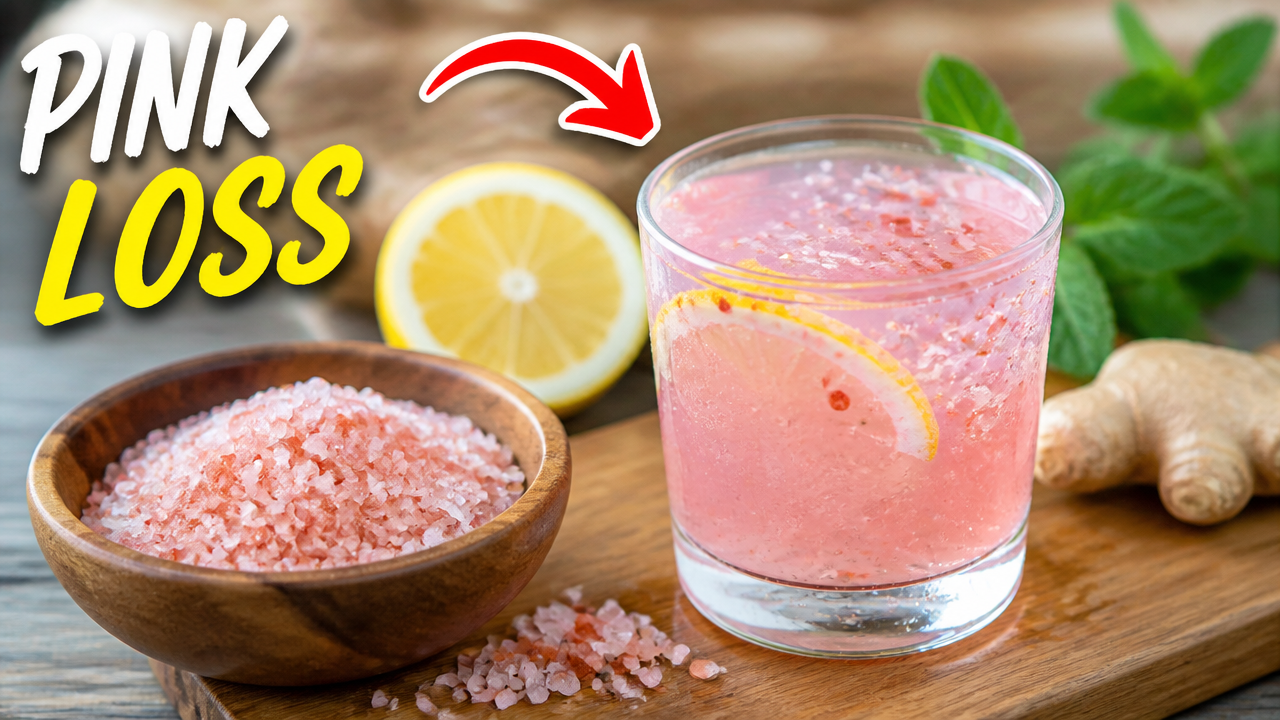
Have you ever wondered if a simple pink salt hydration drink could actually boost your metabolism or if it is just another internet trend? Finding a balance between staying hydrated and managing your salt intake is tricky, especially when you are trying to reach health goals during a busy holiday season or a long summer. This guide explains how to prepare this drink, what ingredients you need, and the reality behind the common weight loss claims.
I want to make sure you know exactly how to prepare this mixture properly. Whether you are curious about the mineral content of Himalayan salt or just need a new way to flavor your daily water, this guide provides the necessary steps. Getting the preparation right ensures you aren’t overdoing your sodium. Let’s look at the ingredients and the simple process involved to help you stay hydrated.
Quick Questions and Answers
Question: What are the ingredients in pink salt recipe for weight loss? Answer: The most common version uses water, pink Himalayan salt, and lemon juice, with honey sometimes added for taste. Some recipes also include cayenne pepper, ginger, or apple cider vinegar, but those are optional and vary by source. Reputable pages describe the base drink as a flavored salt-water mixture rather than a proven fat-loss formula.
Question: How do you make pink salt water for weight loss? Answer: Most versions start with 8 to 16 oz of warm or lukewarm water, then add a small amount of pink Himalayan salt and mix until dissolved. Lemon juice is often added next, and honey may be included if sweetness is desired. Sources that describe the method usually recommend drinking it in the morning, often on an empty stomach.
Question: Does pink salt drink actually help with weight loss? Answer: No reputable source in the set says it causes weight loss. TODAY says there is no scientific backing for the claim, and Ro and Noom both state that it is unlikely to help you lose weight. At best, it is a hydration drink with flavoring ingredients, not a documented fat-loss method.
What You Need: Ingredients and Tools
| Item | Purpose | Notes |
|---|---|---|
| Filtered Water | Base liquid | Use 8 to 16 ounces. Warm or room temperature is best. |
| Himalayan Pink Salt | Electrolyte source | Use 1/16 to 1/4 teaspoon. Start with the smaller amount. |
| Fresh Lemon Juice | Flavor enhancer | Add 1/2 to 1 tablespoon for acidity. |
| Raw Honey | Optional sweetener | Use 1/2 teaspoon if you prefer a sweeter taste. |
| Cayenne or Ginger | Optional spice | Add a tiny pinch to provide a bit of heat. |
| Stirring Spoon | Preparation tool | Use to ensure salt is fully dissolved. |
Step 1: Heat Your Water

Begin by heating your filtered water until it reaches a comfortable, warm temperature. Many enthusiasts aim for roughly 120°F, which is warm to the touch but not boiling. Warm water helps the fine salt crystals dissolve much faster than cold water would. This creates a uniform mixture before you add any other ingredients.
Step 2: Measure the Salt

Add 1/16 to 1/4 teaspoon of fine Himalayan pink salt to your glass. It is tempting to add more, but experts like those at Ro suggest keeping your sodium intake in check. Stick to the lower end of this range if you are sensitive to salt or monitoring your blood pressure. Using a measuring spoon ensures accuracy every time.
Step 3: Dissolve the Salt

Stir the mixture vigorously until the salt crystals are completely gone. You should see a clear liquid without any grainy sediment left at the bottom of the mug. Taking an extra 30 seconds to stir makes the drink much more pleasant to consume. If you notice salt lingering at the bottom, just keep stirring.
Step 4: Add Flavorings
Pour in your fresh lemon juice once the salt has fully disappeared. If you are opting for honey, ginger, or cayenne pepper to change the profile, add those now. Give the mixture one final, gentle stir to incorporate the new flavors. Keep in mind that these additions are strictly for taste.
Step 5: Consume the Drink
Drink your mixture immediately while it is still warm. Most people find that sipping it on an empty stomach about 30 minutes before their first meal works best for their morning routine. Just like preparing Easy Egg Soup Ready in Minutes, the goal is to keep things simple and quick.
Step 6: Monitor Your Intake
Pay attention to how your body feels after drinking the mixture. High sodium intake can sometimes cause bloating or discomfort, even if you are just using a small amount. If you notice any unusual side effects, scale back the salt or stop using the drink entirely. Your health should always come first.
Recipe Card
Morning Pink Salt Hydration Drink
A simple, warm morning beverage featuring pink Himalayan salt and a splash of fresh lemon.
Prep: 3 minutesCook: 2 minutesTotal: 5 minutesYield: 1 servingCategory: BeverageCuisine: Modern
Ingredients
- 8 oz filtered water, warmed
- 1/16 tsp fine Himalayan pink salt
- 1/2 tbsp fresh lemon juice
- 1/2 tsp raw honey (optional)
Instructions
- Warm the water in a kettle or microwave to about 120°F.
- Pour the water into a mug and add the pink salt.
- Stir well until the salt is completely dissolved.
- Add the lemon juice and optional honey.
- Stir one final time and enjoy immediately.
Nutrition Info (per serving)
| Calories | 15 |
| Protein | 0g |
| Carbs | 4g |
| Fat | 0g |
| Fiber | 0g |
| Sugar | 3g |
| Sodium | 280mg |
Notes
- Always start with the smallest salt measurement.
- If you need a more substantial start to your day, pair this with a balanced meal like you would with How to Make a 5-Ingredient Trader Joe’s Dinner (Even on Your Busiest Weeknights).
Mistakes to Avoid
Over-salting is the most common error people make with this recipe. Using more than 1/4 teaspoon adds unnecessary sodium to your day without providing any additional benefits. Always start with a tiny pinch to see how your palate reacts.
Another mistake is believing this drink acts as a magic bullet for fat loss. According to TODAY, there is no scientific evidence that this mixture helps you shed weight or reduces bloating. If you rely solely on this drink and skip healthy meals or movement, you will likely feel disappointed. Use it as a simple, hydrating morning habit instead of a weight-loss tool.
Using coarse salt instead of fine-grain salt creates a frustrating experience. Coarse crystals take much longer to dissolve, and you often end up with a gritty sip at the end of your glass. Stick to fine-grain Himalayan salt to ensure a consistent experience.
Troubleshooting
If the drink tastes too salty for your preference, you should immediately reduce the Himalayan salt to a light pinch of 1/16 teaspoon. You can also dilute the drink with an extra ounce or two of water to balance the flavor. A drink should be enjoyable, not a chore to finish.
When the mixture tastes too sour, you might have added too much lemon juice. Increase the amount of raw honey to balance the acidity, or simply add more warm water. You don’t need to force yourself to drink something you don’t enjoy.
If you experience any digestive discomfort, stop drinking the mixture right away. Some people find that higher sodium intake on an empty stomach leads to irritation. Always prioritize your physical comfort over any social media trend.
FAQ
Q: When should you drink pink salt lemon water?
Many online recipes recommend drinking it first thing in the morning, often before breakfast. Noom specifically notes that people typically take it on an empty stomach, and another source suggests waiting about 30 minutes before breakfast. That timing is part of the trend, not evidence that the drink burns fat.
Q: How much pink Himalayan salt should you use?
The amount varies across sources, but the common range is a pinch up to 1/4 teaspoon. Ro gives 1/16 tsp, TODAY says a pinch, Bodyspec suggests up to 1/8 tsp in a light-sodium version, and some recipe pages use 1/4 tsp. Because sodium intake matters, the smaller end of the range is the safer interpretation.
Q: Can you add honey or lemon to pink salt water?
Yes, lemon is one of the most common add-ins, and honey is usually optional. Ro lists lemon and honey as flavoring ingredients, Noom says some people add a teaspoon of honey, and several recipe pages use lemon juice as part of the base mixture. These additions mainly change taste, not the drink’s weight-loss evidence.
Q: Is pink salt water safe to drink every day?
The search results do not establish it as a necessary daily habit for weight loss, and the main caution is sodium. Since the drink contains salt, using too much could be a concern for people limiting sodium. If someone has high blood pressure, kidney disease, or other sodium restrictions, they should be cautious and follow medical guidance.
Q: What water temperature is best for pink salt recipe?
Recipes commonly call for warm, warm filtered, or lukewarm water rather than cold water. DecorWithEva specifies about 120°F, while other sources just say warm or lukewarm. Warm water helps the salt dissolve more easily, which is the main practical reason for using it.
Q: What are common mistakes in pink salt weight loss drinks?
A common mistake is using too much salt, since the recipe is usually described as only a pinch or a small measured amount. Another mistake is expecting the drink to cause weight loss, even though several sources say that claim is unsupported. Some recipes also add many extras, which can turn a simple hydration drink into a much higher-calorie beverage.
Q: Which pink salt recipe version is most common online?
The most common pattern is warm water plus a small pinch or measured amount of pink Himalayan salt, with lemon juice added for taste. Some versions include honey, and a few add cayenne, ginger, or apple cider vinegar. Across the sources, the basic recipe stays the same even when the optional ingredients change.
My Experience With Easy Pink Salt Weight Loss Recipes for Beginners
I remember the first time I tried this recipe. I expected some massive metabolic change because of what I read online, but mostly, I just felt hydrated. Truthfully, the “magic” of this drink is just that it encourages you to drink a glass of water when you first wake up. We often go hours without fluid while sleeping, so a warm drink in the morning is actually a solid way to start.
The biggest lesson I learned? Don’t over-salt the water. I once used a full 1/4 teaspoon of coarse salt, and it was nearly impossible to finish. It tasted like I was drinking ocean water. Now, I stick to a tiny 1/16 teaspoon of fine salt, which gives just enough flavor without feeling aggressive. If you treat this as a simple morning beverage rather than a weight-loss miracle, you will be much happier. Real changes happen through consistent, long-term habits, not a morning salt drink. Do you have a favorite morning drink routine, or do you prefer to keep it simple with plain water?
Next Steps
Focus your energy on sustainable habits that actually impact your health. Increasing your daily fiber intake, eating plenty of vegetables, and staying consistent with physical activity are the real drivers of weight loss. Tracking your movement can also provide a clear view of your progress.
Consult with a registered dietitian or your primary doctor before making significant changes to your salt intake. This is especially important if you have high blood pressure or other medical conditions requiring a low-sodium diet. Professional guidance helps you make safe choices for your specific body.
Conclusion
This pink salt drink is a simple, warm way to hydrate your body in the morning. While many people associate it with weight loss, research shows no evidence that the drink causes fat loss on its own. Use it as a flavored water alternative if you enjoy the taste, but keep your expectations realistic. Stick to the lower end of the salt range to protect your health and enjoy the ritual as part of a balanced lifestyle.
References
- Ro. (2026, January 10). Pink Salt Trick for Weight Loss: Myth or Fact?. Ro. https://ro.co/weight-loss/pink-salt-trick/
- TODAY. (2026, February 15). Does the Pink Salt Trick Help You Lose Weight? Dietitians Weigh In. TODAY. https://www.today.com/health/diet-fitness/pink-salt-trick-rcna226084
- Noom. (2026, February 20). Pink Himalayan Salt Weight Loss Trick: Does It Really Work?. Noom. https://www.noom.com/blog/weight-management/pink-himalayan-salt-trick-recipe/
- DecorWithEva. (2025, May 12). Pink Salt Trick Recipe for Weight Loss (2025). DecorWithEva. https://decorwitheva.com/pink-salt-trick-recipe/
- YouTube. (2026, January 5). Pink Salt Recipe For Weight Loss. YouTube. https://www.youtube.com/watch?v=DrSnBu8TuWQ
- Bodyspec. (2026, March 1). Pink Salt Recipe for Weight Loss: Truth vs. Hype. Bodyspec. https://www.bodyspec.com/blog/post/pink_salt_recipe_for_weight_loss_truth_vs_hype
- YouTube. (2026, February 18). Pink Salt Trick Recipe for Weight Loss – Easy & Surprisingly Effective Method. YouTube. https://www.youtube.com/watch?v=ISrj3GMYHfU

jessy
Jessy Grace has spent over 5 years researching and writing about household energy, covering everything from gas and electricity tariffs to appliance efficiency and smart meter technology. With a background in [energy consulting / utilities journalism / consumer finance], [he/she/they] specializes in breaking down complex tariff structures, regulatory changes, and cost-saving strategies into practical advice homeowners can actually use. [Author Name]'s work draws on data from official regulators, utility providers, and independent consumer bodies to ensure every guide is accurate and up to date. When not writing, [he/she/they] tests energy-saving products firsthand and stays close to industry shifts, from renewable tariffs to price cap changes, to keep readers ahead of the curve.