
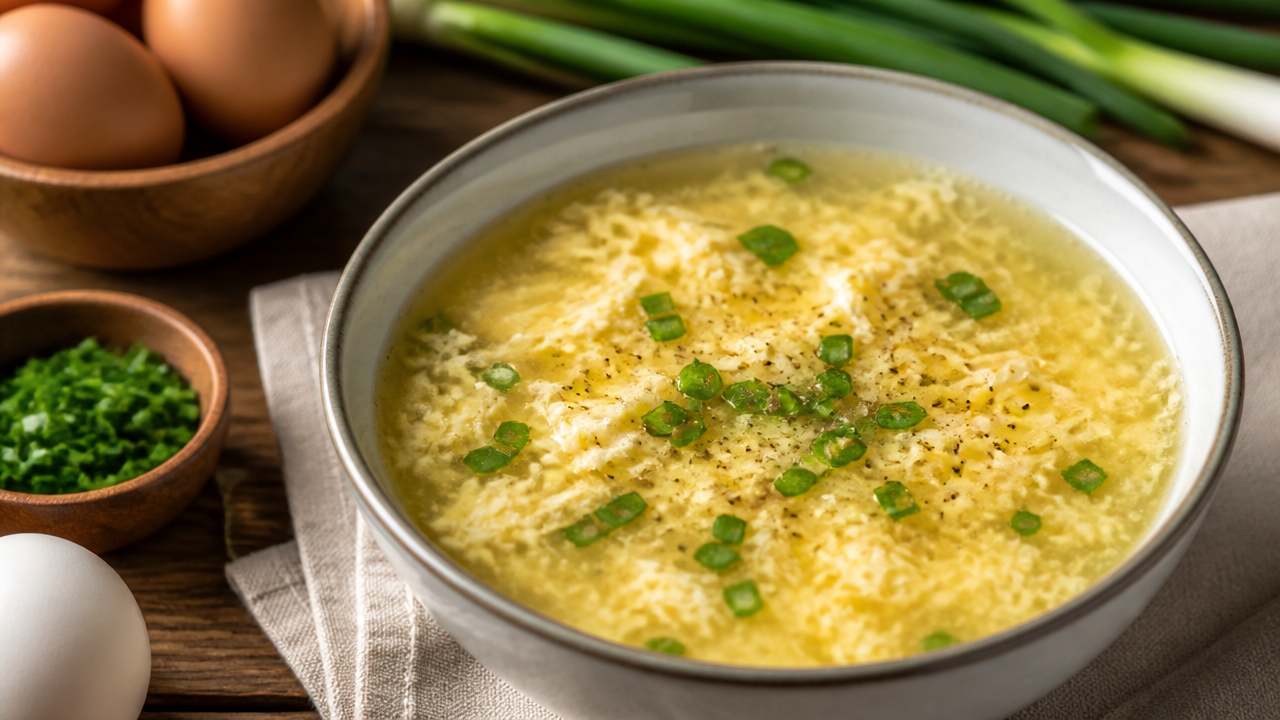
When was the last time you made a truly great egg soup at home? This humble dish—sometimes called egg drop soup or egg flower soup—is one of the fastest, most forgiving soups you can prepare, whether you’re cooking for yourself on a weeknight or feeding a crowd before a holiday meal. Egg soup requires just a handful of ingredients: broth, eggs, and seasonings. The magic lies in technique, not complexity. Once you understand how to stir in the eggs without turning them into clouds of scrambled fluff, you’ll have a silky, restaurant-quality bowl ready in under 15 minutes. Let’s break down exactly how to do it.
Quick Questions and Answers
Question: Why does egg soup turn cloudy when you cook it? Egg soup turns cloudy when the egg is added too quickly or without stirring, causing it to cook into tiny clumps instead of smooth ribbons. To prevent cloudiness, slowly drizzle beaten egg into simmering broth while stirring gently in one direction. This creates the desired silky egg swirls rather than a murky texture.
Question: Can you make egg soup without cornstarch? Yes, you can make egg soup without cornstarch by using the broth alone without thickening it, resulting in a lighter, clearer soup. Some recipes skip the slurry entirely for a thinner consistency, though cornstarch gives the classic restaurant-style thickness. Without it, the soup will be less viscous but still flavorful.
Question: Do egg drop soups need to be refrigerated? Yes, egg drop soup should be refrigerated within two hours of cooking to prevent bacterial growth, especially since it contains eggs. Store it in a sealed container for up to three days. Reheat gently before serving, as repeated boiling can make the egg texture rubbery.
Key Takeaways
Egg soup comes together in 10 to 15 minutes using basic pantry staples. The secret to silky ribbons is temperature control and a gentle hand when stirring. Most recipes use chicken broth as the foundation, though vegetable or water-based versions work too. Cornstarch thickens the broth and helps eggs set properly, but it’s entirely optional. Store leftovers in the fridge for up to three days and reheat carefully to preserve the egg’s delicate texture.
What You Need
| Item | Purpose | Notes |
|---|---|---|
| Chicken broth (or vegetable/water) | Base of the soup | 4-6 cups; use low-sodium for better seasoning control |
| Eggs | Creates silky ribbons and protein | 2-3 large eggs; beat together with a fork |
| Cornstarch | Thickens broth; optional but recommended | 1-2 tablespoons mixed with cold water |
| Soy sauce or salt | Adds savory depth and seasoning | Start with 1 tablespoon; adjust to taste |
| Green onions or cilantro | Garnish and bright flavor | Fresh herbs add freshness at the end |
| White pepper or black pepper | Subtle heat and depth | 1/4 teaspoon or to taste; white pepper is traditional |
| Sesame oil | Optional finishing touch | A drizzle adds nuttiness and aroma |
| Water (for slurry) | Dissolves cornstarch | 3-4 tablespoons, use cold water |
Step 1: Gather and Prep Your Base Broth
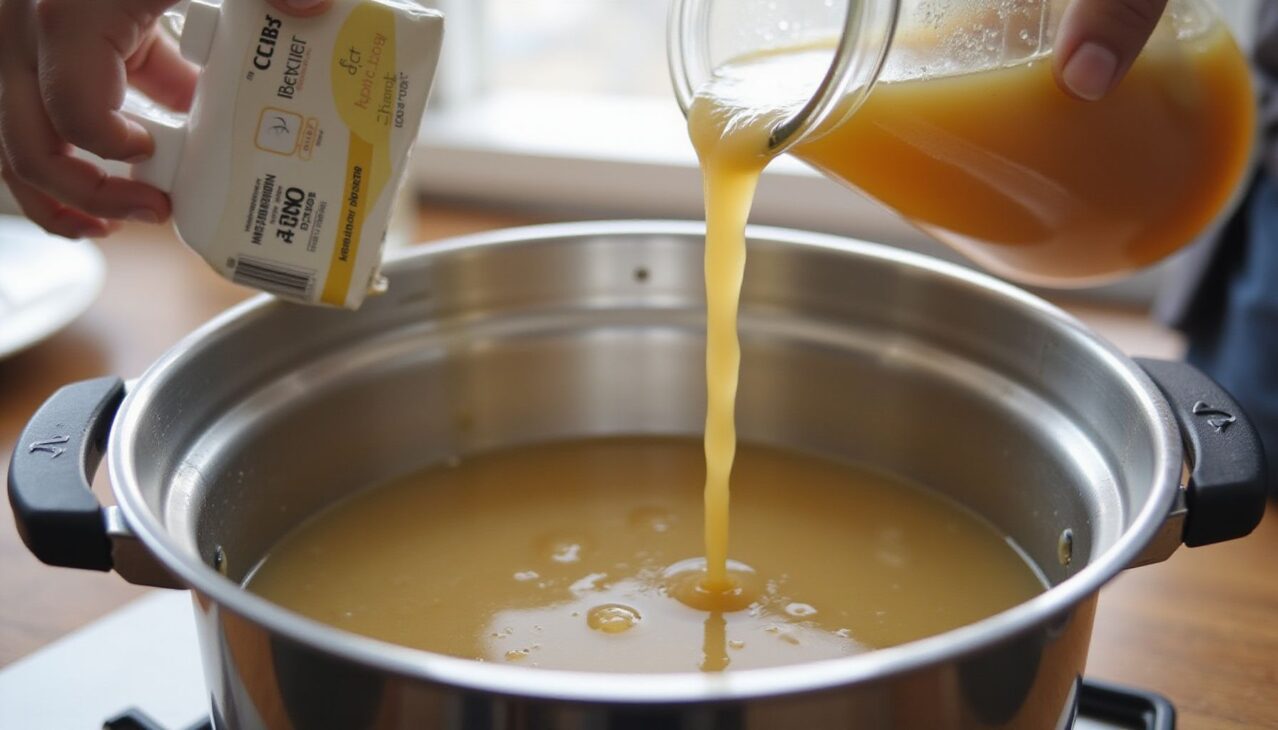
Pour 4 to 6 cups of chicken broth into a large pot, depending on how many servings you need. Low-sodium broth works best because you control the salt level with soy sauce and additional seasoning. If you don’t have chicken broth on hand, vegetable broth or even plain water works—just season more generously. Cold broth heats faster than room-temperature broth, so pull it from the fridge if you stored it there. Set the pot on medium-high heat and bring it to a gentle simmer. You’re not looking for a rolling boil; a calm, steady simmer is ideal.
Step 2: Prepare the Cornstarch Slurry
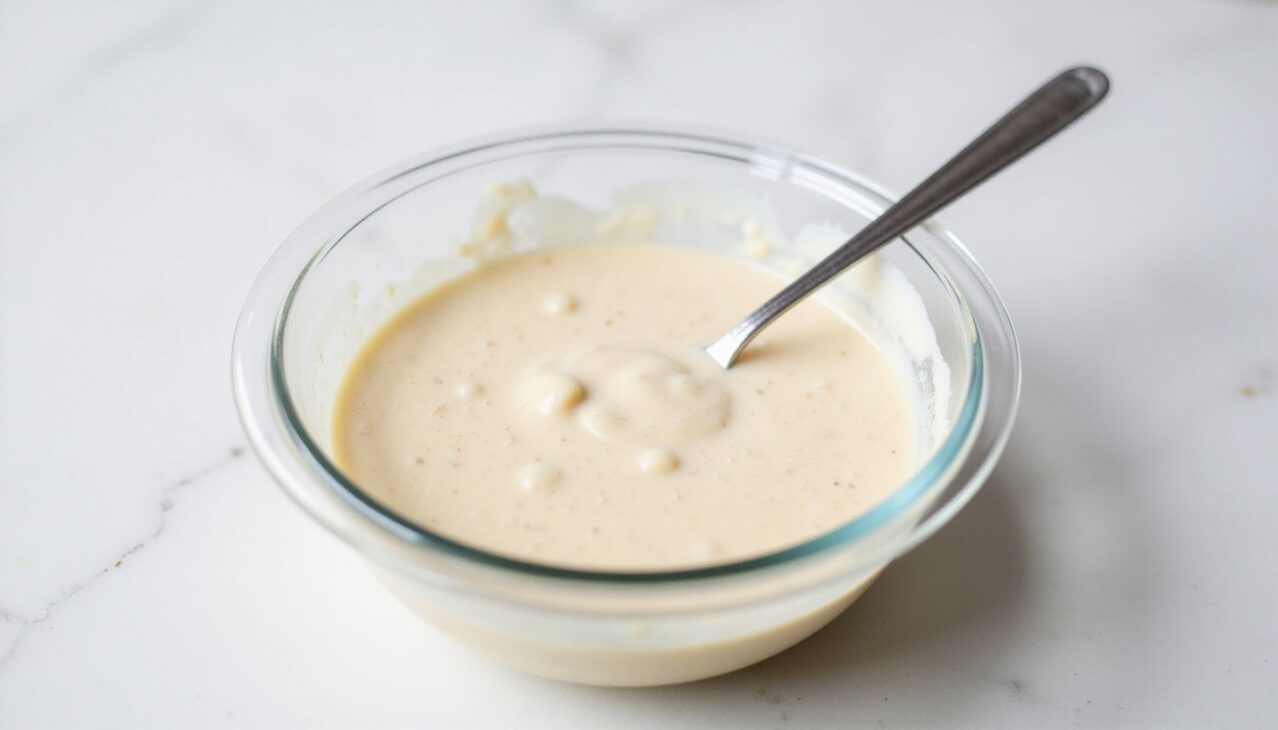
While the broth heats, measure 1 to 2 tablespoons of cornstarch into a small bowl. Add 3 to 4 tablespoons of cold water and stir until the cornstarch dissolves completely into a smooth, milky slurry. The cold water matters—warm water causes clumping. This slurry will thicken your broth and create the silky texture that defines restaurant-style egg soup. If you prefer a thinner soup, you can skip this step entirely and go straight to the eggs. Many home cooks do, especially when time is tight.
Step 3: Beat the Eggs Thoroughly
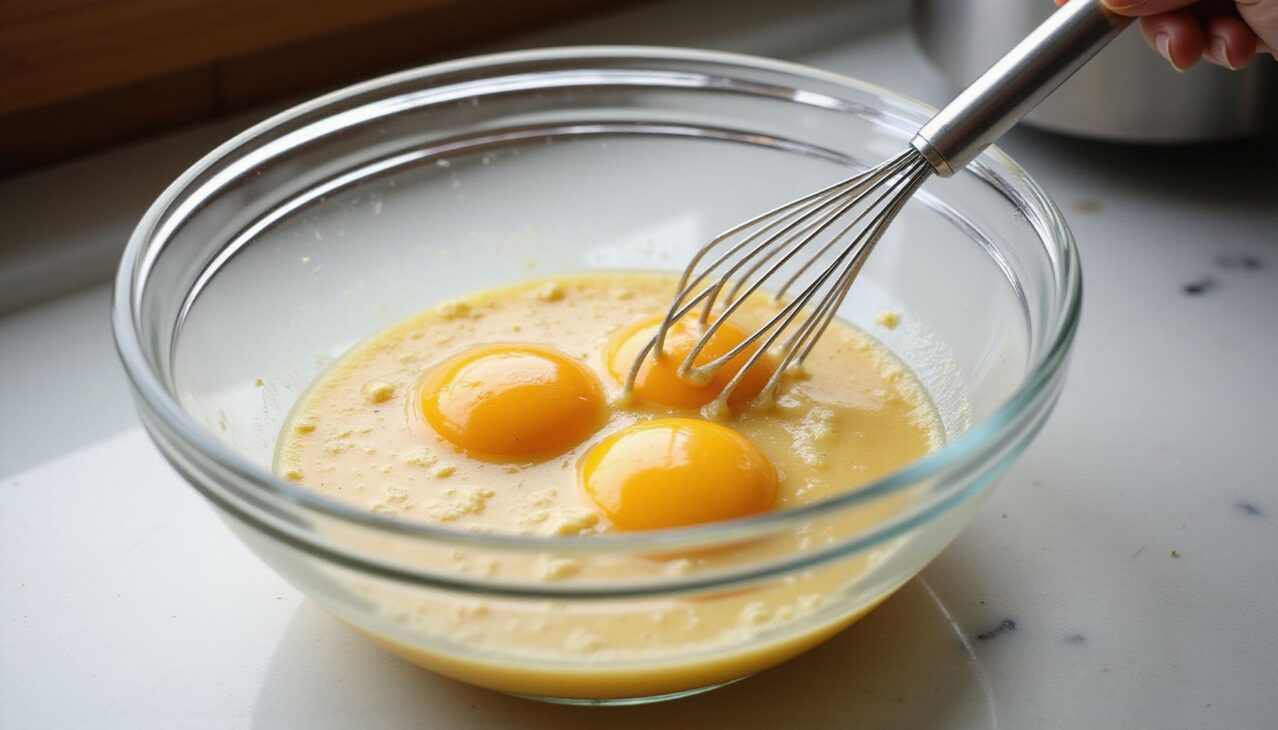
Crack 2 to 3 large eggs into a separate bowl. Use a fork to beat them until the yolks and whites are fully combined and the mixture is pale and slightly foamy. This extra beating incorporates air into the eggs, which helps them form delicate ribbons instead of dense clumps when they hit the hot broth. Don’t rush this step. A well-beaten egg mixture is the difference between silky swirls and cloudy scramble. Set the beaten eggs aside within arm’s reach of your stove—you’ll need them in a moment.
Step 4: Add Seasonings to the Simmering Broth
Once your broth reaches a gentle simmer, add 1 tablespoon of soy sauce and a pinch of white pepper or black pepper. Stir well and taste. You may want to add more soy sauce, a pinch of salt, or a squeeze of ginger. This is your moment to dial in the flavor before the eggs go in. The beauty of homemade egg soup is that you’re not locked into a single flavor profile—add a touch of sesame oil, a bit of garlic powder, or even a splash of rice vinegar if you want. Adjust the seasoning now so you don’t have to tinker with it later.
Step 5: Thicken the Broth with the Cornstarch Slurry
Stir your cornstarch slurry one more time to ensure it’s smooth, then slowly pour it into the simmering broth while stirring constantly in one direction—either clockwise or counterclockwise, just pick one and stick with it. Stir for 30 to 60 seconds until the broth becomes noticeably thicker and turns slightly translucent. You should see a subtle change in color and consistency. If your broth looks too thin, mix another small slurry and repeat. If it’s too thick, you’ve added extra broth next time. This step is optional, but it’s what gives egg soup that luscious mouthfeel.
Step 6: Lower the Heat and Drizzle the Eggs
Reduce the heat to low or medium-low. This is crucial—high heat will cook the eggs too fast and create scrambled flecks instead of ribbons. Now, slowly pour the beaten eggs into the broth while stirring gently and continuously in one direction. The key word is slowly. Pour from the bowl in a thin stream, almost like you’re drawing threads of egg across the surface. Keep stirring as you pour so the eggs spread out into delicate, wispy ribbons. This entire process should take 30 to 45 seconds. Once all the egg is in, stir for another 10 to 15 seconds, then stop.
Step 7: Taste, Adjust, and Finish
Turn off the heat. Give the soup one final taste. Does it need more salt? A splash more soy sauce? A grind of fresh pepper? Now is the time to make those adjustments. Pour the soup into bowls and garnish with chopped green onions, fresh cilantro, or a light drizzle of sesame oil. A sprinkle of white pepper on top adds a professional touch. Some people add a handful of frozen peas or diced carrots for extra color and nutrition—add those during Step 4 so they warm through before the eggs go in.
Recipe Card
Easy Egg Soup Ready in Minutes
A silky, delicate soup made with just eggs, broth, and simple seasonings. Ready in under 15 minutes.
Prep: 5 minutesCook: 10 minutesTotal: 15 minutesYield: 4 servingsCategory: SoupCuisine: Chinese-American
Ingredients
- 4-6 cups chicken broth (low-sodium preferred)
- 2-3 large eggs
- 1-2 tablespoons cornstarch
- 3-4 tablespoons cold water (for slurry)
- 1 tablespoon soy sauce
- 1/4 teaspoon white pepper
- 1 teaspoon sesame oil (optional)
- 2 green onions, chopped (for garnish)
- Salt to taste
Instructions
- Pour broth into a large pot and bring to a gentle simmer over medium-high heat.
- In a small bowl, mix cornstarch with cold water until smooth.
- Beat 2-3 eggs in another bowl until well combined and slightly foamy.
- Add soy sauce and white pepper to the simmering broth and stir.
- Slowly pour the cornstarch slurry into the broth while stirring constantly in one direction for 30-60 seconds.
- Reduce heat to low and slowly drizzle the beaten eggs while stirring gently to create ribbons.
- Turn off heat once all eggs are incorporated, stir for 10-15 seconds, then stop.
- Taste and adjust seasoning as needed. Garnish with green onions and sesame oil.
Nutrition Info (per serving)
| Calories | 85 |
| Protein | 6g |
| Carbs | 3g |
| Fat | 5g |
| Fiber | 0g |
| Sugar | 1g |
| Sodium | 780mg |
Notes
- For a thinner soup, skip the cornstarch slurry entirely.
- Do not use high heat when adding eggs, or they will scramble instead of forming ribbons.
- Store leftovers in an airtight container in the fridge for up to three days.
- Reheat gently over low heat, stirring occasionally. Avoid boiling, which makes eggs rubbery.
- Optional additions: diced carrots, frozen peas, fresh ginger, or a splash of rice vinegar.
Tips
Temperature is everything. The most common mistake is adding eggs to broth that’s too hot. A rolling boil will scramble them into fluff; a gentle simmer gives you ribbons. Lower the heat as soon as you’re ready to pour.
Stir in one direction. When you add the cornstarch slurry and then the eggs, always stir in the same circular direction. This prevents the eggs from breaking apart and gives you longer, more elegant ribbons.
Don’t oversoak the beaten eggs. If you beat the eggs more than 5 to 10 minutes before adding them to the broth, they begin to separate. Beat them right before you’re ready to use them.
Use room-temperature eggs. Eggs straight from the fridge take slightly longer to cook through. Let them sit on the counter for a few minutes if you have time. This is a minor point, but it helps.
Garnish right before serving. Green onions, cilantro, and sesame oil taste best when they haven’t been sitting in hot soup. Add them just before you serve.
Experiment with broth types. Vegetable broth creates a lighter soup; beef broth makes it richer and earthier. How to Make a 5-Ingredient Trader Joe’s Dinner shows how simple broths unlock quick meal possibilities.
Make it your own. Some cooks add ginger, garlic, or a splash of white vinegar for tang. Others drop in bok choy, mushrooms, or tofu. The base recipe is flexible enough to handle what you have on hand.
My Experience With Easy Egg Soup Ready in Minutes
I started making egg soup regularly about two years ago when I realized I could have restaurant-quality soup on the table faster than waiting for delivery. The first time, I poured the eggs in all at once and ended up with what looked like a bowl of scrambled eggs in broth—total disaster. But I learned quickly that the slow pour and low-heat method actually works, and now I make it at least twice a month.
The real win is how forgiving it is. You don’t need fancy ingredients or expensive equipment. A pot, a whisk, and basic broth are genuinely all you need. I’ve made it with store-brand chicken broth, water mixed with bouillon, and even bone broth leftover from other projects. Each version tastes good because the technique carries the dish.
One thing I’ve noticed: white pepper tastes more authentic than black pepper, but black pepper is perfectly fine if that’s what you have. The sesame oil drizzle is optional, but it’s the difference between “nice soup” and “I want to order this at a restaurant.” A few drops make that much impact.
What trips people up most is patience during the egg-pouring step. Rush it, and you get scramble. But slow down, stir gently, and you get silk. That’s the whole thing right there.
Have you made egg soup at home before, or is this your first attempt?
FAQ
Q: Are egg drop soups healthy for weight loss?
Egg drop soup is generally low in calories and high in protein, making it a good option for weight loss when made with lean broth and minimal oil. Versions with excessive cornstarch or high-fat broths may add extra calories. Choosing light chicken stock and limiting soy sauce keeps it healthy.
Q: How long does egg drop soup take to make?
Most homemade egg drop soup takes about 10 to 15 minutes from start to finish, depending on whether you use pre-made broth or start from scratch. The process involves simmering broth, adding a cornstarch slurry, and gently incorporating beaten eggs. Speed comes from having ingredients ready before you start cooking.
Q: Does egg soup contain MSG or food coloring?
Traditional egg soup does not require MSG or food coloring, but some restaurant versions add yellow food coloring for a richer hue and MSG for enhanced flavor. These ingredients are optional and can be omitted for a more natural taste and appearance.
Q: When should you add eggs to egg drop soup?
Add eggs to egg drop soup after the broth has simmered and the cornstarch slurry has thickened it, then reduce heat to low. Slowly drizzle beaten eggs while stirring gently to create delicate ribbons. Adding them too early or at high heat can cause clumping.
Q: Is egg drop soup the same as egg soup?
Egg drop soup is a specific type of egg soup characterized by thin ribbons of egg stirred into a clear, seasoned broth, often with cornstarch. While “egg soup” can refer to various styles, egg drop soup specifically refers to this Chinese-American style with silky egg swirls.
Q: What gives egg drop soup its yellow color?
The yellow color in egg drop soup comes mainly from the egg itself, especially if the yolk is well-integrated, and sometimes from added turmeric or yellow food coloring. Some recipes use a small amount of turmeric to enhance the golden hue without artificial additives.
Q: Which broth works best for egg drop soup?
Chicken broth is the most common and recommended base for egg soup, providing a savory, neutral flavor that complements the eggs. Low-sodium chicken stock allows better control over seasoning with soy sauce and salt. Some variations use water or vegetable broth for a lighter taste.
2026 Trends
Homemade egg soup has seen renewed interest as people look for quick, nutrient-dense meals that don’t rely on processed ingredients. More home cooks are experimenting with bone broth as a base for deeper flavor and added collagen. Plant-based versions using vegetable broth and aquafaba (chickpea liquid) instead of eggs are gaining traction among vegan cooks. Low-sodium broths are increasingly favored as home cooks become more conscious of sodium intake. Some recipes now include adaptogenic mushrooms like reishi or shiitake for added wellness benefits. Asian-inspired comfort foods, including egg soup, continue to trend as people seek authentic, simple meals over complicated recipes.
Conclusion
Egg soup is proof that some of the best dishes come from simplicity, not complexity. With broth, eggs, and a steady hand, you have everything you need to make a silky, satisfying soup that tastes like it came from a restaurant kitchen. The technique takes practice—your first batch might not be perfect—but once you nail the slow egg pour and low heat, you’ll have a go-to recipe that works on weeknights, as a starter course, or as comfort food when you need something warm and nourishing fast.
The key is patience and attention. Lower the heat, stir in one direction, pour slowly, and stop when it’s done. That’s really it.
References
- Harvard T.H. Chan School of Public Health. (n.d.). Eggs. The Nutrition Source. https://www.hsph.harvard.edu/nutritionsource/food-features/eggs/
- Academy of Nutrition and Dietetics. (2024). Complete food and nutrition guide. Academy of Nutrition and Dietetics.
- Centers for Disease Control and Prevention. (2024, June 10). Sodium. CDC Nutrition, Physical Activity, and Obesity. https://www.cdc.gov/nutrition/data-statistics/sodium.html
- American Heart Association. (2023). Broth and stock. Heart.org. https://www.heart.org/en/healthy-living/healthy-eating/eat-smart/sodium/broth-and-stock
- U.S. Department of Agriculture. (2024). FoodData Central. USDA FoodData Central. https://fdc.nal.usda.gov/
- National Institute of Health Sciences. (2023). Dietary guidelines for egg consumption. NIH Research. https://www.nih.gov/news-events/news-releases/
