
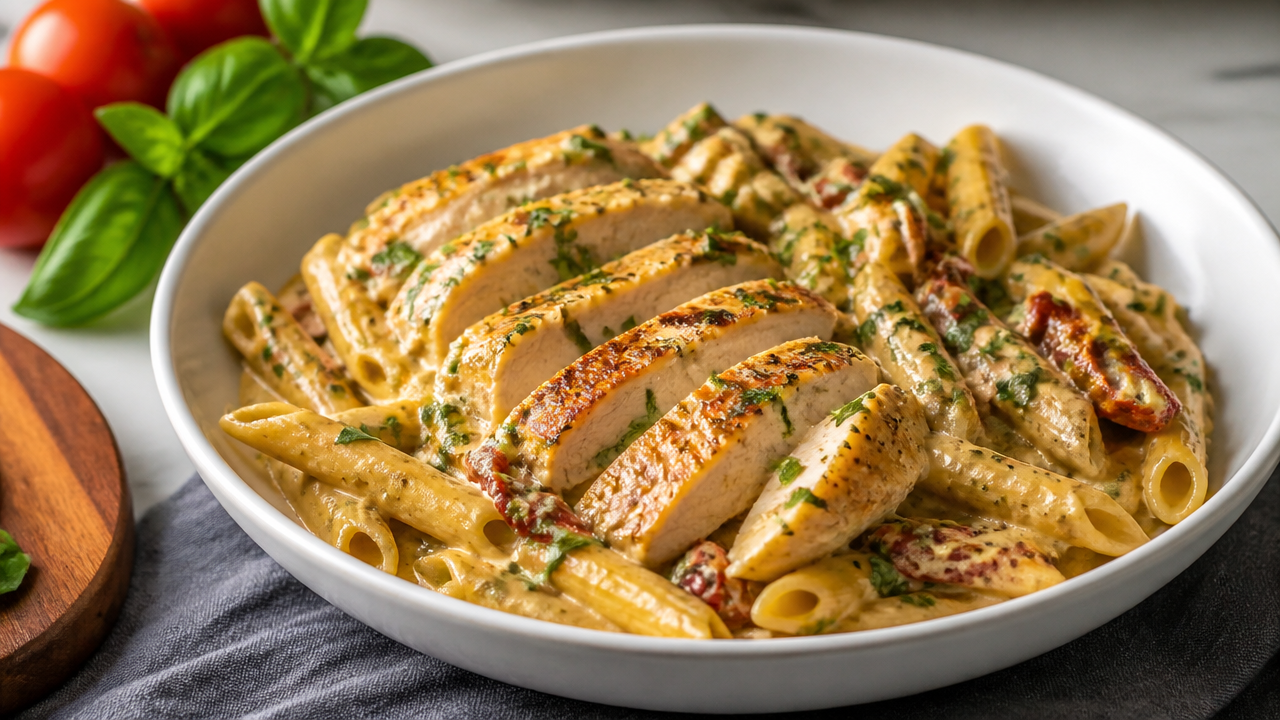
Wondering what makes marry me chicken pasta so irresistible at dinner time? This creamy, sun-dried tomato pasta dish has earned its name for good reason—the silky sauce, golden chicken, and fresh basil create a combination so good it’s restaurant-worthy in your own kitchen. Whether you’re planning a date night or a casual family dinner, marry me chicken pasta delivers impressive flavor without complicated technique. The real secret lies in building the sauce correctly and respecting the timing of each step.
Quick Questions and Answers
Question: Why is Marry Me Chicken Pasta so popular? Marry Me Chicken Pasta is popular because it features a rich, creamy sauce with sun-dried tomatoes, garlic, and herbs that create a deeply flavorful dish. The combination of tender chicken and al dente pasta coated in this velvety sauce makes it feel indulgent yet easy to prepare for a special meal or family dinner.
Question: Can you make Marry Me Chicken Pasta one pot? Yes, you can make Marry Me Chicken Pasta as a one-pot recipe by cooking the chicken, pasta, and sauce together in a single large skillet or Dutch oven. This method involves adding uncooked pasta directly to the pan with broth and simmering until the pasta is tender and the liquid is absorbed, simplifying cleanup.
Question: Do you need sun-dried tomatoes for this recipe? Sun-dried tomatoes are a key ingredient that defines the signature tangy and sweet flavor profile of Marry Me Chicken Pasta, so they are typically required. While you could substitute with fresh tomatoes or tomato paste, the dish will lack the distinct taste that makes it recognizable without the sun-dried variety.
Key Takeaways
- Seasoning chicken with paprika, chili flakes, salt, and pepper before searing creates the flavor foundation
- Cooking pasta just short of package directions prevents mushiness when it finishes in the creamy sauce
- Adding chicken stock in 1-cup intervals with constant stirring ensures a silky, cohesive sauce
- Reserved pasta water is essential for adjusting sauce consistency at the end
- Fresh basil and grated Parmesan cheese are not optional garnishes—they balance the richness
What You Need
| Item | Purpose | Notes |
|---|---|---|
| Chicken breasts (1.5 lbs) | Protein base | Cube into uniform pieces for even cooking |
| Heavy cream (1 cup) | Sauce richness | Use full-fat, not half-and-half |
| Chicken stock (3 cups) | Sauce liquid | Low-sodium allows better seasoning control |
| Sun-dried tomatoes (0.75 cup) | Flavor cornerstone | Oil-packed varieties add extra depth |
| Penne or rigatoni pasta (1 lb) | Starch component | Short shapes hold sauce better than long |
| Butter (3 tablespoons) | Roux base | Unsalted gives you salt control |
| Parmesan cheese (0.75 cup) | Umami and thickening | Freshly grated, not pre-shredded |
| Garlic (4 cloves) | Aromatics | Minced fine so it disperses evenly |
| All-purpose flour (2 tablespoons) | Thickener | Creates the roux for sauce body |
| Italian seasoning (1 teaspoon) | Herb blend | Oregano, basil, thyme combination |
| Paprika (0.5 teaspoon) | Chicken seasoning | Adds mild sweetness and color |
| Chili flakes (0.25 teaspoon) | Heat | Keeps the sauce from feeling flat |
| Salt and black pepper | Seasoning | To taste throughout cooking |
| Fresh basil (handful) | Garnish | Adds brightness against the richness |
| Olive oil (2 tablespoons) | Cooking fat | For initial chicken sear |
Step 1: Prep and Season the Protein
Pat your chicken breasts dry with paper towels before cubing—this removes surface moisture that prevents proper browning. Moisture is the enemy of a golden crust, so take this seriously even though it feels like an extra step.
Cut the chicken into roughly 1-inch cubes. Uniformity matters here because uneven pieces cook at different rates; smaller chunks dry out while larger pieces stay undercooked in the center.
Season the cubed chicken generously with salt, black pepper, paprika, and chili flakes. Don’t be shy with seasoning at this stage—the chicken won’t taste salty because the creamy sauce dilutes everything later. This is your only chance to build flavor into the protein itself.
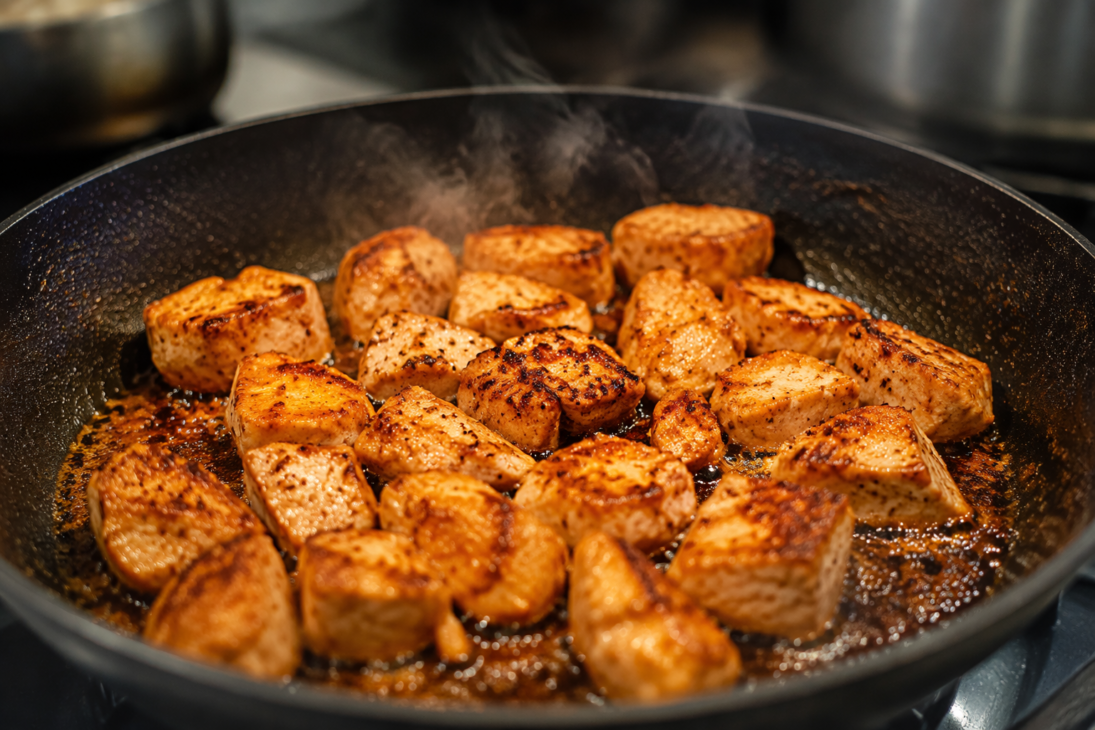
Heat 2 tablespoons of olive oil in a large, deep skillet over medium-high heat. Once the oil shimmers and moves easily in the pan, add the seasoned chicken pieces in a single layer. Let them sit undisturbed for about 2 to 3 minutes—the temptation to stir immediately is real, but resist it. A proper sear requires contact with hot metal.
Cook for 5 to 6 minutes total, stirring occasionally, until the chicken is golden brown on most sides. The internal temperature should reach 165°F on a meat thermometer, though you’ll finish the cooking gently in the sauce so slight undercooking here is actually safer. Remove the chicken to a clean plate and set aside.
Step 2: Cook the Pasta Base
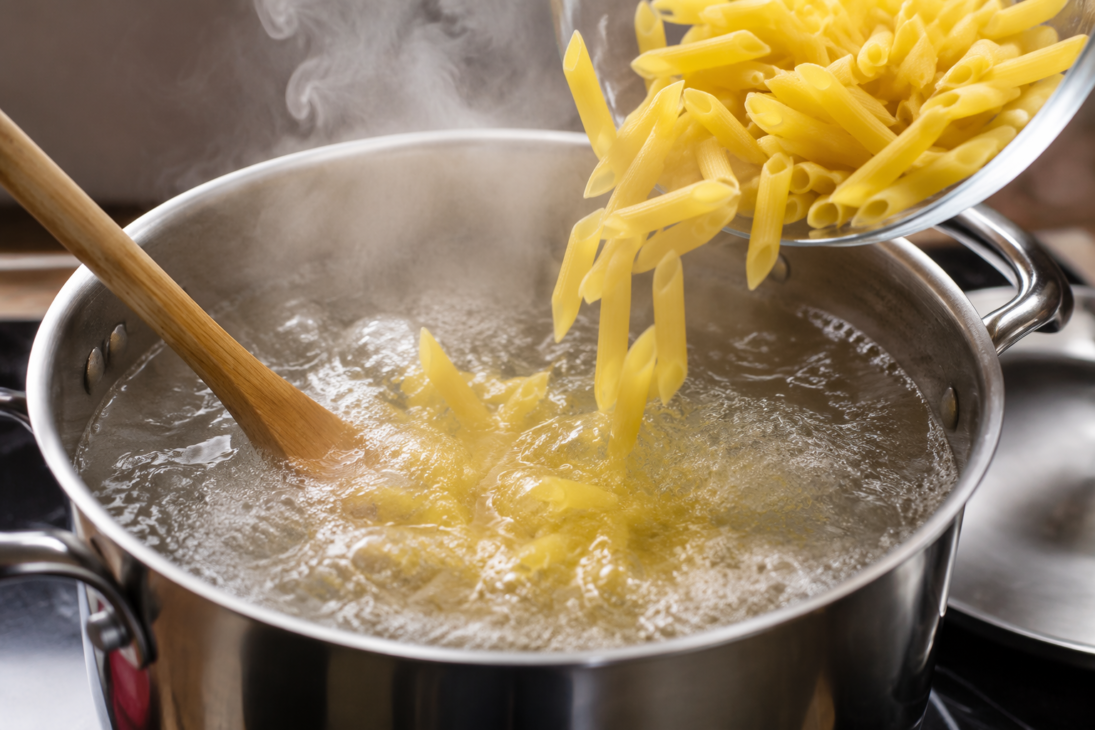
Bring a large pot of generously salted water to a rolling boil. The water should taste like seawater—this is your only opportunity to season the pasta itself, and you won’t get another chance once it drains.
Add your pasta and cook it 2 to 3 minutes less than the package instructions tell you. The box might say 9 minutes; you cook for 6 or 7. This is critical because your pasta will spend another 5 to 10 minutes simmering gently in the hot cream sauce, which finishes the cooking process.
Before draining, scoop out 1 cup of starchy pasta water and pour it into a measuring cup or small bowl. This liquid becomes your sauce adjustment tool later—starch in the water helps the sauce cling to pasta and thicken naturally. Drain the pasta and set it aside.
Step 3: Master the Creamy Tomato Sauce
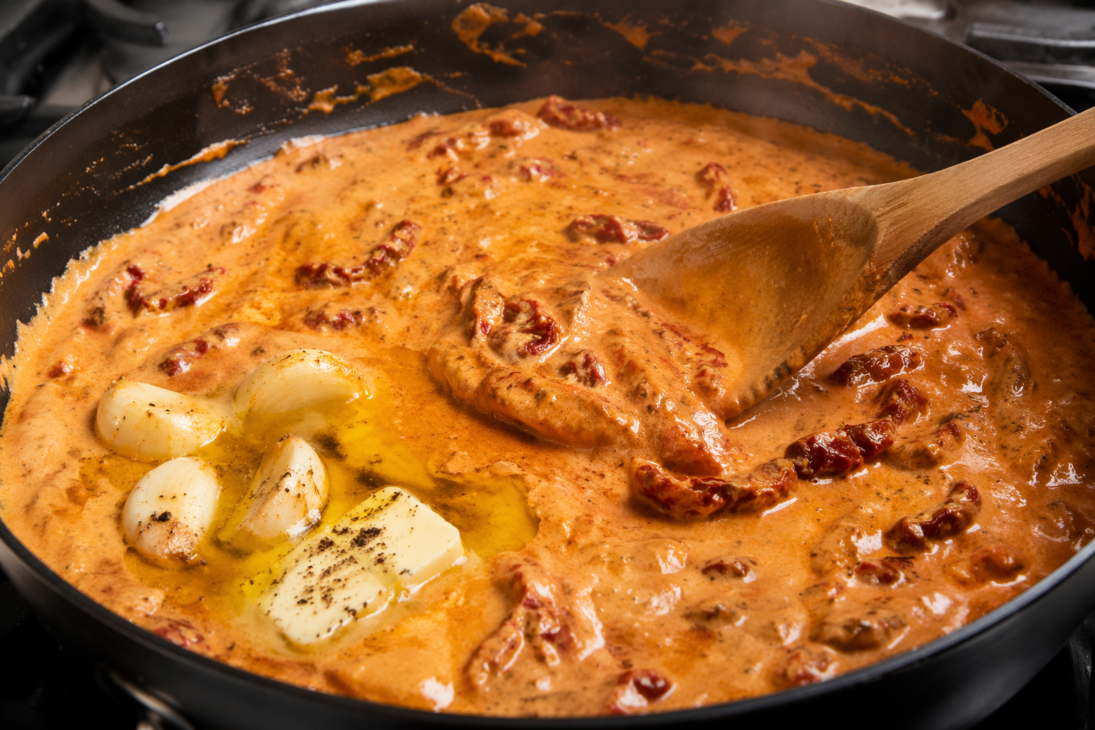
Melt 3 tablespoons of butter in the same skillet where you cooked the chicken. Once it’s foaming and smells nutty, sprinkle 2 tablespoons of all-purpose flour over the melted butter. Stir constantly with a whisk for about 1 minute to cook out the raw flour taste without browning.
Add your minced garlic and 1 teaspoon of Italian seasoning to the butter-flour mixture. Stir constantly for about 30 seconds until fragrant—garlic burns easily, so watch this closely. When it smells sweet and toasted (not acrid), you’re done.
Here’s where patience becomes essential. Pour in 1 cup of chicken stock while whisking vigorously to break up any lumps in the roux. Once it looks smooth, stop whisking and let it simmer gently for 2 to 3 minutes. You’ll see the sauce thicken slightly as the starch cooks. Stir occasionally during this rest period.
Add the second cup of chicken stock using the same method: whisk in, then let it simmer for 2 to 3 minutes. Repeat with the third cup. This gradual approach prevents lumps and ensures even thickening.
Stir in 1 cup of heavy cream, pouring it slowly while whisking. The sauce will look thicker and paler now. Add 0.75 cup of sun-dried tomatoes (oil-packed if possible—they add richness the dry-packed versions can’t match) and stir to combine.
Simmer this sauce over low heat for 3 to 4 minutes without boiling. You want tiny bubbles at the edges, not a vigorous roll. The sauce should look silky and coat the back of a spoon; this is what separates a home version from a sad, thin pasta bowl.
Step 4: Final Assembly and Garnish
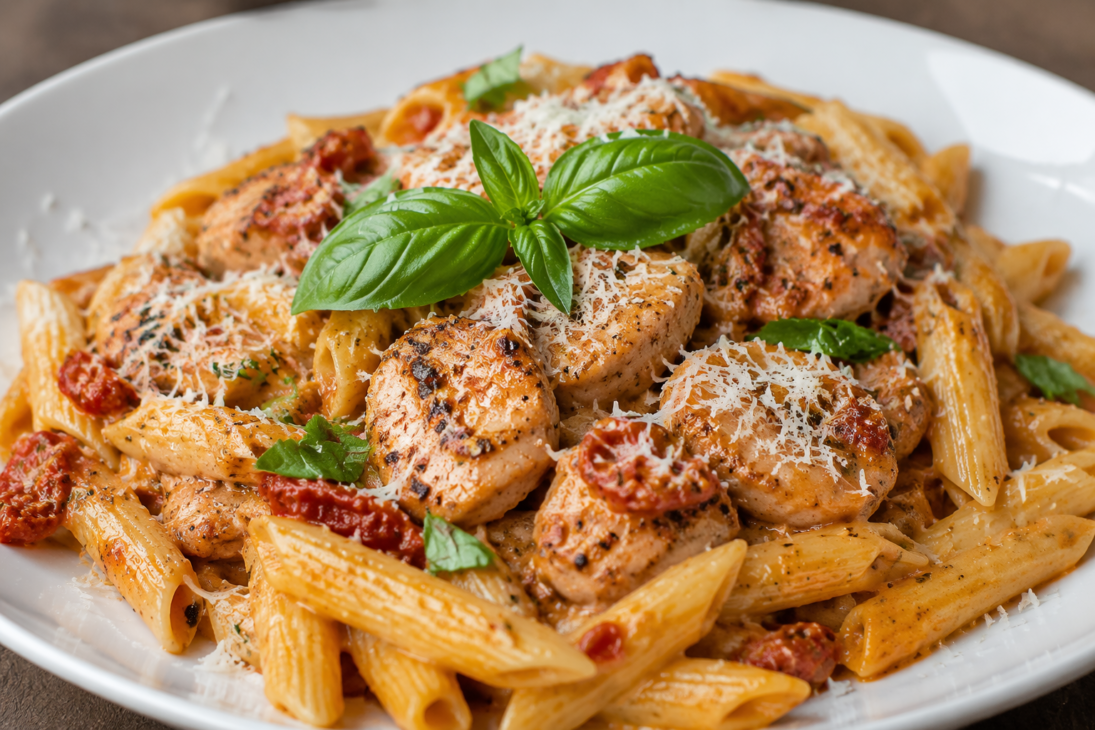
Stir the reserved chicken pieces back into the sauce. Add the al dente pasta and toss everything together gently but thoroughly, making sure every piece of pasta gets coated. This is where the dish comes together—you’re looking for a cohesive, luxurious coating rather than pasta swimming in sauce.
Look at the consistency. If the sauce clings to the pasta and doesn’t pool at the bottom of your plate, you’re golden. If it looks thin and soupy, simmer for another 2 minutes on low heat or stir in 1 to 2 tablespoons of the reserved pasta water. If it’s too thick (rare, but it happens), add a splash of warm chicken stock or pasta water to loosen it. Sauce thickness continues to change as it cools, so aim slightly thinner than your final goal.
Garnish generously with fresh chopped basil and freshly grated Parmesan cheese. These aren’t decorative afterthoughts—the bright basil cuts through the richness, and the salty Parmesan adds another layer of umami. Serve immediately while the pasta is hot and the sauce coats everything evenly.
Common Mistakes to Avoid
Overcooking the pasta before the sauce: This is the biggest error. Your pasta continues cooking in the hot cream mixture, so starting with properly al dente pasta prevents you from ending with mush. If your box says 9 minutes, trust me when I say 6 or 7 is correct for this dish.
Rushing the stock additions: Adding all the chicken stock at once creates lumps and prevents the sauce from thickening properly. The 1-cup increments with 2-3 minute rests are not arbitrary—they’re structural. Impatience here results in thin, grainy sauce that disappoints.
Using pre-shredded Parmesan: Those convenient bags contain cellulose as an anti-caking agent. When you add it to hot sauce, the cellulose separates and floats rather than melting, creating a grainy texture instead of a smooth, silky coating. Grate it fresh.
Skipping the reserved pasta water: You need this starchy liquid to adjust consistency and help the sauce cling properly. Without it, you’re stuck with whatever thickness you achieved in the pan, and small adjustments become impossible.
Browning the garlic too much: Burnt garlic tastes bitter and ruins the entire sauce. Keep the heat moderate and stir immediately when you add it. If you smell anything acrid or see darkening, you’ve gone too far.
Troubleshooting Your Sauce
If your sauce looks too thin after the final step, simmer it on low heat for 2 to 3 additional minutes without stirring constantly—let the cream reduce slightly. Alternatively, whisk in 1 to 2 tablespoons of grated Parmesan cheese, which adds body as it melts.
Too thick? Add the reserved pasta water 1 tablespoon at a time, stirring gently and tasting the consistency between additions. It should move smoothly when you tilt the pan but not slide off the pasta immediately.
If your chicken pieces are tough or dry, you likely cooked them too long in the initial sear or cut the cubes unevenly. For next time, use a meat thermometer—remove at 160°F rather than 165°F since the sauce finishes the cooking process safely. Uniform sizing is non-negotiable.
Sauce breaks or looks separated? This usually means the cream was too cold when added, or the heat was too high. Stay on medium or medium-low throughout, add cold cream slowly while whisking, and never let the sauce boil vigorously. If it’s happened, remove from heat and whisk in 1 tablespoon of cold cream—sometimes you can salvage it.
Tastes flat? Add salt gradually and taste frequently. You might also need more Parmesan or a small squeeze of lemon juice, which brightens everything without adding liquid.
Recipe Card
Marry Me Chicken Pasta with Creamy Sun-Dried Tomato Sauce
A silky, restaurant-quality pasta dish featuring seasoned chicken breasts, rich cream sauce with sun-dried tomatoes, and fresh basil that comes together in under 45 minutes.
Prep: 15 minutesCook: 30 minutesTotal: 45 minutesYield: 4 servingsCategory: Main CourseCuisine: Italian-inspired
Ingredients
- 1.5 lbs chicken breasts, cubed
- 1 lb penne or rigatoni pasta
- 3 cups low-sodium chicken stock
- 1 cup heavy cream
- 0.75 cup sun-dried tomatoes (oil-packed), roughly chopped
- 3 tablespoons unsalted butter
- 2 tablespoons all-purpose flour
- 4 garlic cloves, minced
- 0.75 cup freshly grated Parmesan cheese (plus more for garnish)
- 1 teaspoon Italian seasoning
- 0.5 teaspoon paprika
- 0.25 teaspoon red chili flakes
- Salt and black pepper to taste
- 2 tablespoons olive oil
- Fresh basil leaves for garnish
Instructions
- Pat chicken breasts dry, cube into 1-inch pieces, and season generously with salt, pepper, paprika, and chili flakes.
- Heat olive oil in a large skillet over medium-high heat. Cook chicken 5-6 minutes until golden brown on most sides. Transfer to a plate.
- Bring a pot of salted water to boil, add pasta, and cook 2-3 minutes less than package directions. Reserve 1 cup pasta water before draining.
- Melt butter in the same skillet, whisk in flour, and cook 1 minute. Add minced garlic and Italian seasoning, stirring for 30 seconds until fragrant.
- Add chicken stock 1 cup at a time, whisking after each addition and simmering 2-3 minutes between additions until sauce thickens.
- Stir in heavy cream slowly while whisking. Add sun-dried tomatoes and simmer on low heat 3-4 minutes.
- Return cooked chicken to the skillet, add drained pasta, and toss gently to coat with sauce.
- If sauce is too thin, simmer 2 more minutes. If too thick, add reserved pasta water 1 tablespoon at a time.
- Garnish generously with fresh basil and freshly grated Parmesan. Serve immediately.
Nutrition Info (per serving)
| Calories | 580 |
| Protein | 42g |
| Carbs | 48g |
| Fat | 18g |
| Fiber | 2g |
| Sugar | 8g |
| Sodium | 820mg |
Notes
- Do not skip the reserved pasta water—it’s essential for adjusting sauce consistency
- Always use freshly grated Parmesan, not pre-shredded, which contains anti-caking agents
- Start pasta 2-3 minutes before the package directions to prevent overcooking in the sauce
- Serve immediately while the sauce is hot and creamy
Tips for Success
Temperature control matters more than you’d think. Keep your heat at medium or medium-low once you’re building the sauce—high heat causes cream to break and flavors to muddy. Patience with a lower flame beats speed with aggressive heat every time.
Taste constantly throughout cooking, especially while building the sauce. Seasoning is cumulative, and you can always add salt but you can’t remove it. Start conservative and adjust as you go.
Reserve extra pasta water beyond the 1 cup I mentioned. If your sauce gets too thick while sitting, you can loosen it with a splash just before serving. This insurance policy prevents waste and stress.
Consider adding 1 to 2 cups of fresh spinach to the finished dish for color and nutrition. Stir it in during the final step—it wilts in the hot sauce and adds nothing but goodness. You might also try Easy Chicken Wing Sauce techniques for alternative flavor variations if you’re feeling adventurous.
A squeeze of fresh lemon juice in the last minute before serving brightens everything without adding liquid. Just a small squeeze—you’re not making lemon pasta, just balancing the richness.
2026 Trends in Creamy Pasta Dishes
Modern cooking is moving toward more nutritious, customizable versions of comfort classics. Marry me chicken pasta is no exception. Cooks are experimenting with different proteins—shrimp instead of chicken, sautéed mushrooms for vegetarian versions, or even a combination of the two.
Heavy cream substitutes are gaining traction too. Greek yogurt, cashew cream, and even oat milk create lighter versions that still deliver richness and cling to pasta effectively. The technique remains the same; you’re just swapping one fat source for another.
Adding unexpected vegetables during the final assembly keeps the dish modern without losing its soul. Burst cherry tomatoes, sautéed zucchini, or caramelized onions give texture variety while building on the Italian flavor profile that makes this dish timeless.
My Experience With Marry Me Chicken Pasta Recipe
I’ve made this dish more times than I’d like to admit, largely because it impresses without demanding hours in the kitchen. The first time I attempted it, I made every rookie mistake—boiled the pasta until it was soft, rushed the stock additions, and used pre-shredded cheese. The result was edible but thin and underwhelming, which drove me right back to the drawing board.
What changed everything was respecting the technique, particularly the gradual stock approach and that reserved pasta water lifeline. I realized this recipe isn’t complicated because it’s difficult; it’s carefully structured because small things compound quickly in a cream sauce. Once I accepted that the “slow” method was actually efficient, everything clicked.
The real insight I’ve gained is that this dish proves you don’t need wine, fancy techniques, or obscure ingredients to create restaurant-quality food. Sun-dried tomatoes, cream, and proper timing accomplish what looks like magic on a plate. I’ve also learned that the garnish—fresh basil and Parmesan—isn’t optional decoration. It transforms the dish from heavy to balanced in a way that feels almost embarrassingly important.
What’s your approach? Do you stick strictly to the classic version, or have you found tweaks that make it your own?
FAQ
Q: Are there gluten-free options for Marry Me Chicken Pasta?
Yes, you can make Marry Me Chicken Pasta gluten-free by using gluten-free pasta and omitting the flour used to thicken the sauce or replacing it with a gluten-free alternative like cornstarch. Most other ingredients like chicken, cream, and sun-dried tomatoes are naturally gluten-free, making adaptation straightforward.
Q: How long does it take to cook Marry Me Chicken Pasta?
Marry Me Chicken Pasta takes about 30 to 40 minutes to cook, including boiling the pasta and preparing the creamy sauce with chicken and sun-dried tomatoes. The active cooking time in the skillet is roughly 20 minutes, with most of the duration spent on simultaneous pasta boiling and sauce simmering.
Q: Does Marry Me Chicken Pasta have wine in it?
Some versions of Marry Me Chicken Pasta include white wine as part of the sauce to add depth and acidity, though it is not always required. Recipes vary, and you can substitute the wine with chicken broth or omit it entirely if you prefer a non-alcoholic version without losing the core creamy texture.
Q: Will Marry Me Chicken Pasta reheat well?
Marry Me Chicken Pasta can reheat reasonably well if stored properly, but the creamy sauce may thicken or separate slightly upon reheating. Adding a splash of milk or pasta water while gently warming it over low heat helps restore the velvety consistency, though it is best enjoyed fresh for optimal texture.
Q: What chicken cut is best for Marry Me Chicken Pasta?
Chicken breasts are the most common cut used for Marry Me Chicken Pasta, typically cubed or sliced into strips to ensure even cooking and tenderness. Some recipes also use chicken thighs for a richer flavor and more moisture, but breasts provide a leaner option that pairs well with the light sauce.
Q: Is Marry Me Chicken Pasta healthy to eat?
Marry Me Chicken Pasta is not considered a low-calorie or strictly healthy dish due to its heavy cream, cheese, and butter content, which create a rich and indulgent sauce. However, it can be part of a balanced meal if enjoyed occasionally, especially when using lean chicken and controlling portion sizes.
Q: What pasta shape works best for Marry Me Chicken Pasta?
Penne, fettuccine, or spaghetti are the best pasta shapes for Marry Me Chicken Pasta because their textures hold up well against the creamy sauce and allow it to coat evenly. Short shapes like penne or rotini are also popular in one-pot versions, as they mix well with the chicken and sun-dried tomatoes.
Conclusion
Marry me chicken pasta isn’t difficult once you understand the structure: season and sear the protein, cook the pasta strategically, build the sauce methodically, and bring everything together with restraint. The technique is forgiving if you respect it and disastrous if you rush it, which makes this an ideal dish for improving your cooking fundamentals while producing something genuinely restaurant-quality.
You can also explore Classic The Best Broccoli Cheddar Soup Recipe or Ultimate Joanna Gaines Meatloaf Recipe to round out your weeknight dinner repertoire with complementary comfort dishes.
The beauty of this recipe is its reliability. Master these steps, and you have a dish that impresses every single time—without stress, without complicated equipment, and without hours at the stove. Start with the basic version, nail it, then customize once you’re confident. That’s how you build real cooking skills.
References
- The Recipe Critic. (n.d.). Marry Me Chicken Pasta Recipe. https://therecipecritic.com/marry-me-chicken-pasta/
- Salt & Lavender. (n.d.). Marry Me Chicken Pasta. https://www.saltandlavender.com/marry-me-chicken-pasta/
- Running to the Kitchen. (n.d.). Marry Me Chicken Pasta. https://www.runningtothekitchen.com/marry-me-chicken-pasta/
- Budget Bytes. (n.d.). One bite of this Marry Me Chicken Pasta and you’ll understand the hype. https://www.budgetbytes.com/marry-me-chicken-pasta/
- White Kitchen Red Wine. (n.d.). Marry Me Chicken Pasta. https://whitekitchenredwine.com/marry-me-chicken-pasta-recipe/
- r/AllDeliciousRecipes on Reddit. (n.d.). Easy Marry Me Chicken Pasta Recipe – Quick And Creamy. https://www.reddit.com/r/AllDeliciousRecipes/comments/1ife3uo/easy_marry_me_chicken_pasta_recipe_quick_and/
- The Pioneer Woman. (n.d.). Marry Me Chicken Pasta Recipe. https://www.thepioneerwoman.com/food-cooking/recipes/a63657269/marry-me-chicken-pasta-recipe/
- Love and Other Spices. (n.d.). Marry Me Chicken Pasta. https://www.loveandotherspices.com/marry-me-chicken-pasta/
