
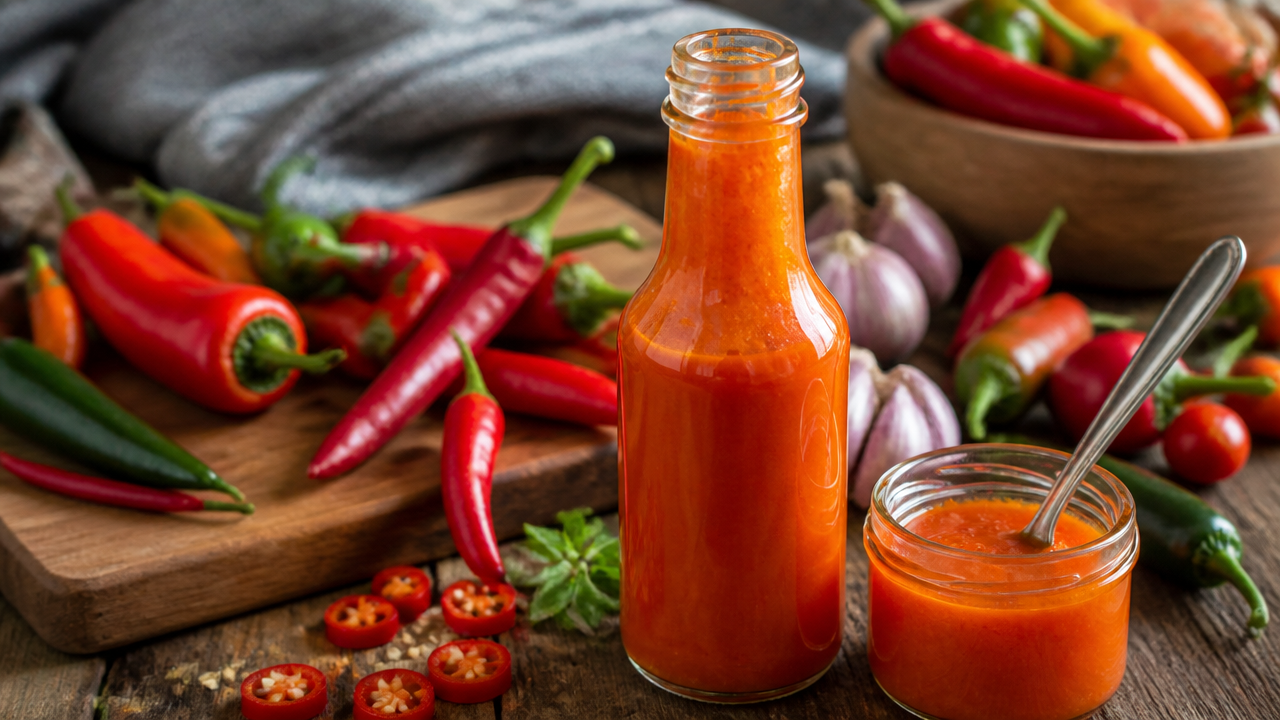
Do you crave a spicy condiment that suits your specific palate? This hot sauce recipe gives you full control over the fermentation schedule and vinegar ratios. Most people prefer homemade hot sauce for summer cookouts when they can adjust the heat safely. The flavor profile shifts depending on the peppers. You can add fruit or spices to change the taste. Let’s build your pantry staple now. I’ll guide you through the basics and safety.
Quick Questions and Answers
Question: What are the basic ingredients needed for hot sauce? Answer: At its simplest form, hot sauce is a mixture of chili peppers and liquid like vinegar or citrus. Common ingredients also include salt, garlic, onions, or seasonings to enhance flavor. This combination creates the base for both immediate consumption and long-term fermented varieties depending on your preference.
Question: How do you make hot sauce without fermenting it? Answer: To make non-fermented hot sauce, blend chili peppers with vinegar and salt until smooth. Bring the mixture to a quick boil in a pot. Simmer for about 15 minutes to develop flavors. Cool it down and bottle it directly or strain for a thinner consistency.
Question: Why should I remove seeds when making hot sauce? Answer: Removing seeds is optional and depends on your desired spice level, as seeds contain most of the pepper’s heat. You can leave them in for maximum spiciness or remove them to create a milder sauce while still retaining the pepper’s flavor.
Key Takeaways
- Control heat by managing seeds and membranes during prep.
- Vinegar selection changes taste profiles significantly.
- Safety gear like gloves prevents skin irritation.
Ingredients and Tools You Need
Gathering your equipment makes the process smoother. You need a high-speed blender for texture and wide-mouth canning jars for storage. Wear gloves to handle capsaicin oils safely. A pound or so of fresh chiles works well. Sea salt is essential for preservation and flavor.
Choose vinegar based on your flavor goals. Apple cider vinegar adds a sweet fruitiness suitable for many styles. White wine vinegar or lemon juice provides sharp citrus notes. Garlic, onions, or carrots can deepen flavor. You might also add spices like cumin or coriander for complexity. Measure the pepper weight after chopping to account for waste.
Safety First: Protecting Yourself While Handling Chiles
Capsaicin oils cause irritation on skin and mucous membranes. Always wear gloves when cutting peppers. Remove contact lenses before starting if you wear them. Do not touch your face or eyes during prep. Wash hands thoroughly with soap or use vinegar to neutralize oils afterward.
If oils get on your skin, wash with water and soap immediately. Some people use oil instead of water to remove residue at the end. These precautions protect you from the burning sensation capsaicin causes. Proper safety gear ensures a pain-free experience while cooking.
Step 1: Prepare the Pepper Base

Wash the peppers and cut off the stems. Slice them lengthwise to inspect the interiors. Remove the ribs and seeds if you want a milder product. Keep them for maximum heat. This step determines the final heat intensity of your sauce. Chop the peppers roughly to help the blender.
Step 2: Add Aromatics and Spices
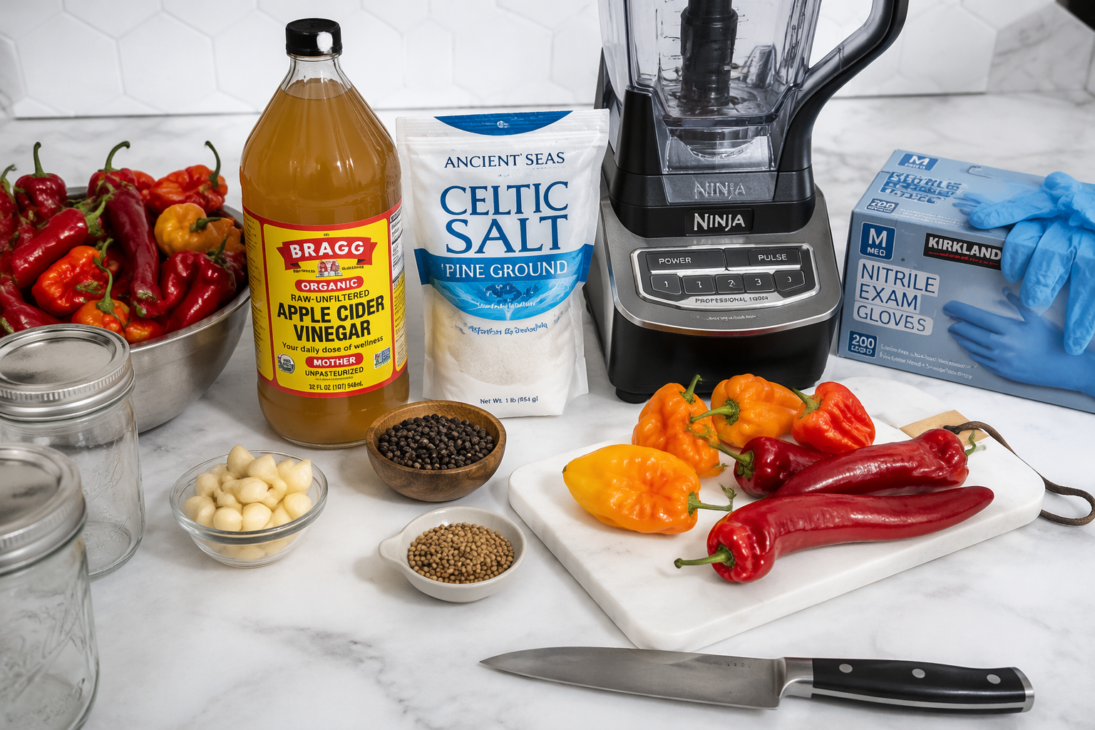
Combine the peppers with optional ingredients. Add raw garlic, onions, or carrots to the mix. These add sweetness or savory notes. If using dried spices, toast them lightly first. This brings out their essential oils. Balance the peppers with salt and other herbs. The aromatics form the flavor foundation.
Step 3: Blend the Mixture

Use a blender to puree the ingredients. Add vinegar gradually until you reach the right consistency. This step creates the base consistency of your sauce. Some people strain the puree for a thinner result. Others leave it chunky for texture. Ensure the mixture is completely smooth for bottling.
Step 4: Simmer the Sauce

Pour the mixture into a saucepan and bring it to a boil. Simmer for about 15 to 25 minutes. This cooks the raw flavor out and softens the peppers. Heat treating helps with preservation. A guide from Chili Pepper Madness notes that cooking ensures a stable product. Stir occasionally to prevent burning.
Step 5: Bottle and Store the Hot Sauce
Cool the sauce completely before transferring it. Use clean glass jars or bottles for storage. Seal them tightly. Store in the refrigerator for long-term freshness. Separation is normal, so shake the bottle before using. Keep it in a dark place to protect the flavor from light.
Step 6: Taste and Adjust Flavors
Sample the sauce before final closure. Add more salt, vinegar, or spices if needed. This adjustment phase ensures the flavor is perfect for you. You might add water to thin it out. Sweeteners like sugar can help balance heat. Adjusting is key to a personalized recipe.
Recipe Card
Homemade Hot Sauce
A versatile spicy condiment made with fresh peppers and vinegar.
Prep: 15 minsCook: 25 minsTotal: 40 minsYield: 1 PintCategory: SauceCuisine: American
Ingredients
- 1 lb fresh chilies
- 1 cup apple cider vinegar
- 1 tsp sea salt
- 4 cloves garlic
- Optional: onion, carrots, cumin
Instructions
- Wash peppers and remove stems.
- Blend peppers with vinegar and garlic.
- Simmer sauce for 25 minutes.
- Bottle and refrigerate.
Nutrition Info (per serving)
| Calories | 10 |
| Protein | 0.2g |
| Carbs | 2g |
| Fat | 0g |
| Fiber | 0.5g |
| Sugar | 0.5g |
| Sodium | 120mg |
Notes
- Wear gloves during prep.
- Adjust heat by removing seeds.
| Pepper Type | Heat Level | Flavor Profile | Best For |
|---|---|---|---|
| Jalapeño | Mild to Medium | Green, fresh | Everyday heat |
| Habanero | Very Hot | Fruity, floral | Bold spicy sauces |
| Cayenne | Medium | Earthy, smoky | Standard blends |
| Serrano | Medium to Hot | Bright, crisp | Fresh salsa style |
| Poblano | Very Mild | Earthy, sweet | Rich dark sauces |
Tips
Some mistakes ruin the batch instantly. Do not underestimate the waste from stems when buying peppers. Mixing color families often creates muddy hues. Always include salt for preservation. Avoid using metal bowls for acidic mixes. Keep your workspace clean and organized.
My Experience With Hot Sauce Recipe
Making hot sauce feels like a small project with big rewards. I remember my first batch being way too thin. I realized I added too much vinegar right away. Now I adjust the liquid slowly as I blend. The smell of simmering peppers fills the kitchen and stays. It is a smell that lingers on clothes, so wear aprons. I once forgot to wear gloves and had to wash my hands thoroughly to avoid burning. That lesson stuck. You learn by doing, like when making a Beef Chili Recipe where flavors blend over time. You might also love a quick Easy Chicken Wing Sauce Recipe to pair with it. What is your favorite pepper combo for a sauce? Have you ever tried adding fruit?
Troubleshooting Your Batch
The sauce might be too bitter. Add a small amount of sugar or carrots to balance the flavor. If it is too thick, slowly add diluted vinegar until pourable. Too bland? Introduce toasted spices like coriander or cumin. Check the salt level; sometimes you need more to draw out the heat. These adjustments fix common issues quickly.
FAQ
Q: Can hot sauce be shelf stable without refrigeration?
A: Yes, hot sauce can be shelf-stable if you maintain a high acidity ratio, typically using about 25 to 35 percent acidic ingredients. Heat treating the sauce to around 110°C for 10-15 minutes also helps ensure long-term preservation.
Q: How long does homemade hot sauce last in the fridge?
A: Homemade hot sauce stored in a clean jar or bottle in the refrigerator typically lasts for several months, often up to 4 months. Separation is normal over time, so it is recommended to shake the bottle before using it.
Q: What vinegar works best for making hot sauce?
A: Apple cider vinegar is a popular choice because it adds a rich, slightly sweet flavor. White vinegar or lime and lemon juice can also be used to increase acidity, which is crucial for preservation and shelf stability.
Q: Do you need to cook peppers before making hot sauce?
A: Cooking peppers is common in many recipes to soften them and develop flavors. However, some methods skip cooking entirely, blending raw peppers with vinegar and salt, then letting the mixture ferment on the counter.
Q: How can I make my hot sauce less spicy?
A: To reduce spiciness, remove the seeds and membranes from the chili peppers before blending. You can also add sweet peppers or mix in fruit and vegetables to dilute the intensity while adding flavor.
Q: What peppers are best for homemade hot sauce?
A: You can use almost any fresh chili pepper, such as habaneros, jalapeños, or cayennes. Dried peppers like ancho, pasilla, and chipotle are excellent for rehydrating and creating rich, deep-flavored sauces.
Q: Will adding fruit change the taste of hot sauce?
A: Adding fruit like pineapple, mango, or tomato paste significantly changes the taste by introducing sweetness and fruity notes. Fruit also adds natural acidity, which can help with preservation.
Latest Updates
The market for artisanal hot sauces continues to grow. Many consumers are looking for transparency in ingredients used during production. You can now find more resources online for scaling small-batch production.
References
- Chili Pepper Madness. (n.d.). How to make hot sauce. Chili Pepper Madness. https://www.chilipeppermadness.com/recipes/how-to-make-hot-sauce/
- The Curious Chickpea. (2017, May 16). Easy Homemade Hot Sauce. The Curious Chickpea. https://www.thecuriouschickpea.com/easy-homemade-hot-sauce/
- Craft A Brew. (n.d.). How to Make Hot Sauce – Hot Sauce Recipe | Craft a Brew. Craft A Brew. https://craftabrew.com/pages/how-to-make-hot-sauce
